On this page
Two dynasties, one community
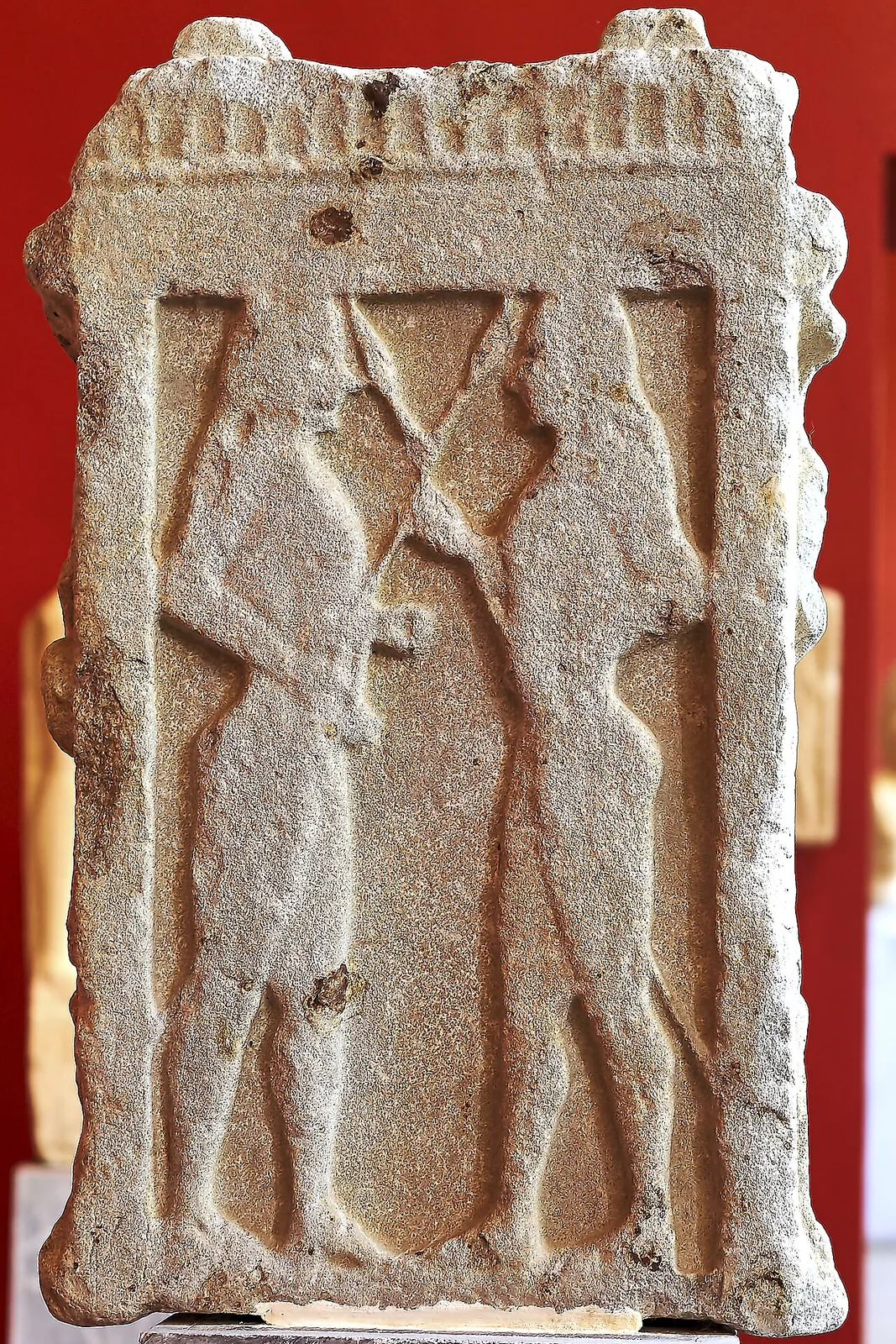
Sparta's most conspicuous constitutional peculiarity was the coexistence of two hereditary royal houses, the Agiads and Eurypontids. Both traced their ancestry to Heracles through the traditions of the Heraclid return. The historical origins of the arrangement are uncertain. Explanations that make it the simple merger of two originally separate communities remain hypotheses rather than established facts. The dynastic stories expressed legitimacy, but they do not provide a contemporary record of the institution's beginning.
Royal succession was normally hereditary within each house, yet disputes over birth, legitimacy, and eligibility could make succession politically contentious. Regents could act for underage kings, as Pausanias did after the death of Leonidas. A king's family position gave him prestige and opportunities, but it did not free him from the need to persuade, cooperate, and manage relationships with other powerful Spartans. Individual kings differed markedly in influence.[1][3]
Sacred honors and public duties
Herodotus describes royal priesthoods, privileged portions at sacrifices, seats of honor, and other public distinctions. These prerogatives connected kingship to religion and the representation of the community before the gods. The king was not merely a general with an inherited title. His sacred responsibilities and special honors helped distinguish his position from that of elected officials, while also placing him within shared civic expectations about proper conduct.
Royal funerals likewise received exceptional treatment in the ancient account. Mourning extended beyond the immediate citizen elite, expressing the king's relationship to the wider population. Herodotus compares some customs with those of other peoples, reminding readers that Greek institutions were observed through comparative interests. His description is invaluable, but it should not be used to assume that every privilege remained unchanged from the earliest monarchy through the Hellenistic period.
Herodotus also assigns kings particular portions at public sacrifices. Religious precedence was expressed through material honors as well as titles.[1]
Leadership in war
Kings commonly commanded armies and performed sacrifices associated with departure, marching, and battle. Religious procedure could influence when an army moved or fought. Xenophon describes the organization surrounding a king on campaign, including officers, attendants, and specialist roles. His account shows leadership operating within a structured body rather than through personal courage alone. Information, supplies, discipline, and coordination were essential to command.
The two kings did not necessarily lead together. Ancient narratives record tensions over joint command and the development of arrangements intended to avoid destructive disagreement. Even a successful commander could face criticism on return. Political rivals might question decisions, compliance with orders, or the use of authority. Battlefield leadership enhanced a king's standing, but failure or suspicion could expose him to sanctions. Military prestige was an important resource, not an absolute immunity.[2][3]
Constraint, rivalry, and adaptation
Ephors and the council of elders limited royal freedom of action. Xenophon describes reciprocal oaths between kings and ephors, linking the preservation of kingship to observance of the laws. Kings participated in a system of overlapping institutions rather than exercising unrestricted sovereignty. The balance was not a modern separation of executive, legislative, and judicial branches; religious, military, and deliberative roles intersected in ways specific to the Spartan community.
Rivalries between kings, officials, and influential citizens could shape foreign policy and internal decisions. Agesilaus' long career demonstrates how personal connections and repeated command could give one king exceptional weight. Later Hellenistic rulers reworked institutions under new pressures, further undermining the image of an eternally fixed constitution. Dual kingship matters because it joined hereditary prestige to civic negotiation. Its durability depended not simply on two men balancing each other, but on the continuing relationships between royal houses, citizen institutions, and the larger population whose resources sustained the state.[2][4][3]
FOLLOW THE EVIDENCE
References & further reading
- Ancient textHerodotus, Histories 6.56–60 ↗
Public-domain translation of the passage on the privileges, religious duties, and funerary honors of Spartan kings.
- Ancient textXenophon, Constitution of the Lacedaemonians ↗
H. G. Dakyns translation, public domain. An admiring fourth-century BCE account of Spartan institutions.
- Ancient textXenophon, Hellenica ↗
H. G. Dakyns translation, public domain. Covers the later Peloponnesian War and Greek affairs down to 362 BCE.
- Ancient textAristotle, Politics, Book 2.9 ↗
Benjamin Jowett translation, public domain. Aristotle evaluates the Spartan constitution critically, including property, women, offices, and common meals.