On this page
Membership and prestige
The Spartan gerousia consisted of twenty-eight elders together with the two kings, making a body of thirty. The non-royal members were selected from men over sixty and normally held their places for life. Age and long tenure gave the council a character very different from the annually changing ephorate. It represented a concentrated form of authority within the already restricted citizen community, drawing on reputation, experience, and the prestige attached to seniority.
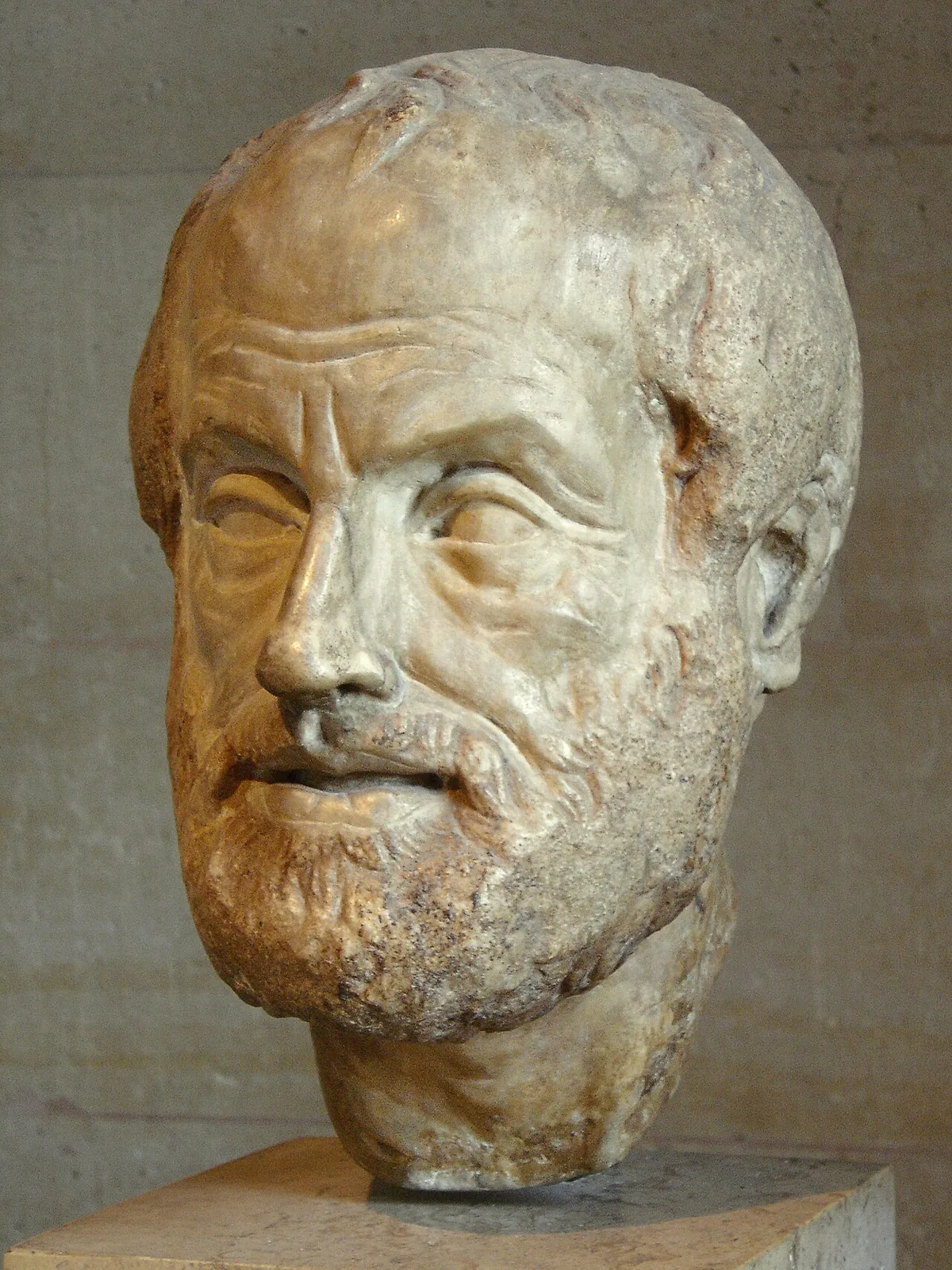
Ancient accounts describe an election procedure involving acclamation rather than a counted written ballot. Plutarch presents candidates appearing before the assembly while judges assessed the strength of the shouting. The procedure reflected public recognition, but it was not immune to influence or manipulation. Aristotle criticized aspects of the institution, including the idea that advanced age guaranteed continuing sound judgment. Admiration for experience and concern about accountability could coexist in assessments of the same council.[1][2]
A place in deliberation
The gerousia is closely associated with the preparation of proposals considered by the citizen assembly. This role is often called preliminary deliberation: a smaller body considers business before it reaches a wider gathering. How that process worked in detail is debated, especially in relation to the ephors. The evidence does not provide a complete standing order covering every kind of decision throughout Spartan history.
The Great Rhetra, preserved by Plutarch, is central to modern interpretations. It connects the council and kings with the assembly and includes language whose meaning has generated long controversy. A later addition in the tradition is commonly understood to authorize intervention if the people reached a distorted decision. Whether this amounted to a general veto, a power to dissolve a meeting, or a more specific safeguard requires careful argument. A constitutional diagram can make such uncertainties disappear too easily.[1][3]
Judgment and responsibility
The council also had important judicial responsibilities, particularly in serious cases. The relationship between its jurisdiction and that of other authorities was not identical to a modern division between courts and political bodies. Kings themselves could be called to account through procedures involving senior institutions. Political standing did not entirely remove exposure to judgment, although the composition of the judging body shaped whose perspectives carried the most weight.
Life tenure gave elders independence from repeated election but raised questions about effective scrutiny. Aristotle worried that members could exercise considerable authority without adequate accountability and that age might affect the capacity to judge. His criticism belongs to a comparative inquiry into constitutions. It should not be treated as an impartial audit, but it identifies genuine institutional questions: how to preserve experience, restrain self-interest, and ensure that prestige does not make decisions unchallengeable.[2]
The council within an unequal polity
The gerousia's authority operated alongside kings, ephors, and an assembly of full citizens. These institutions could cooperate, compete, or constrain one another. Their interaction helps explain why Sparta cannot be reduced to the rule of two monarchs, but neither does the existence of an assembly make it a democracy in which all inhabitants shared power. Women, helots, and perioikoi remained outside the central citizen decision-making body.
The council's origins were associated with Lycurgus, a tradition that lent ancient legitimacy to its place in the constitution. That attribution does not establish every detail of its formation or guarantee institutional continuity across later reforms. Its historical importance lies in the enduring influence of a small group of recognized senior men. Studying the gerousia reveals how Sparta combined public participation with restricted access to authority, and how the language of ancestral order could support institutions whose actual operation still depended on negotiation and contested judgment.[1][2][3]
FOLLOW THE EVIDENCE
References & further reading
- Ancient textPlutarch, Life of Lycurgus ↗
Bernadotte Perrin translation, public domain. Written centuries after Classical Sparta; anecdotes and institutional origins are not independently verified by their inclusion.
- Ancient textAristotle, Politics, Book 2.9 ↗
Benjamin Jowett translation, public domain. Aristotle evaluates the Spartan constitution critically, including property, women, offices, and common meals.
- Modern scholarshipDivided Power and Eunomia: Deliberative Procedures in Ancient Sparta ↗
Scholarly analysis of how the council, ephors, and assembly interacted; interpretation of their powers remains debated.