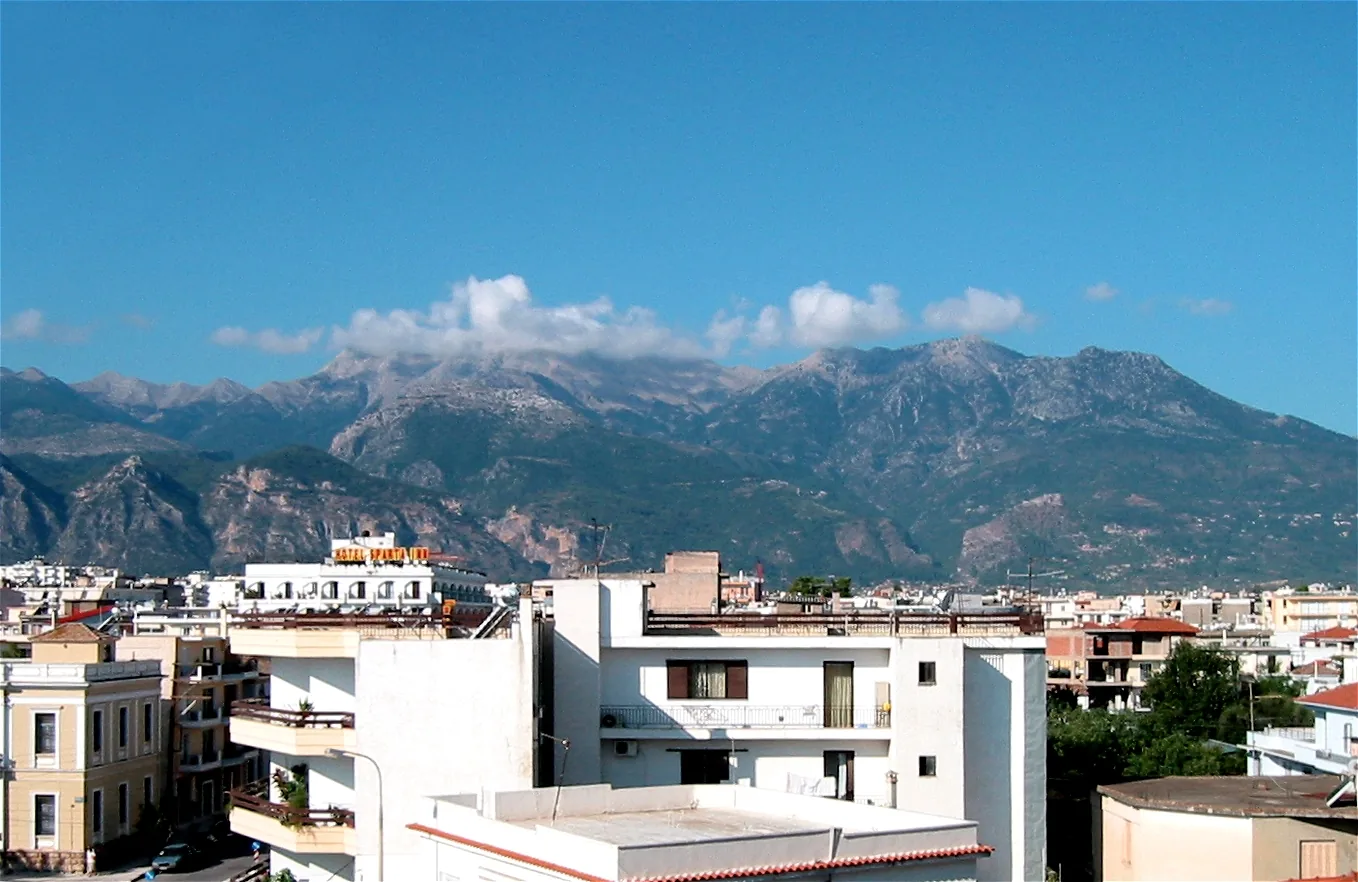
EXPLORE AN ANCIENT CIVILIZATION
Sparta.
Beyond the legend.
People. Power. Culture. A world worth discovering.
ARTICLES
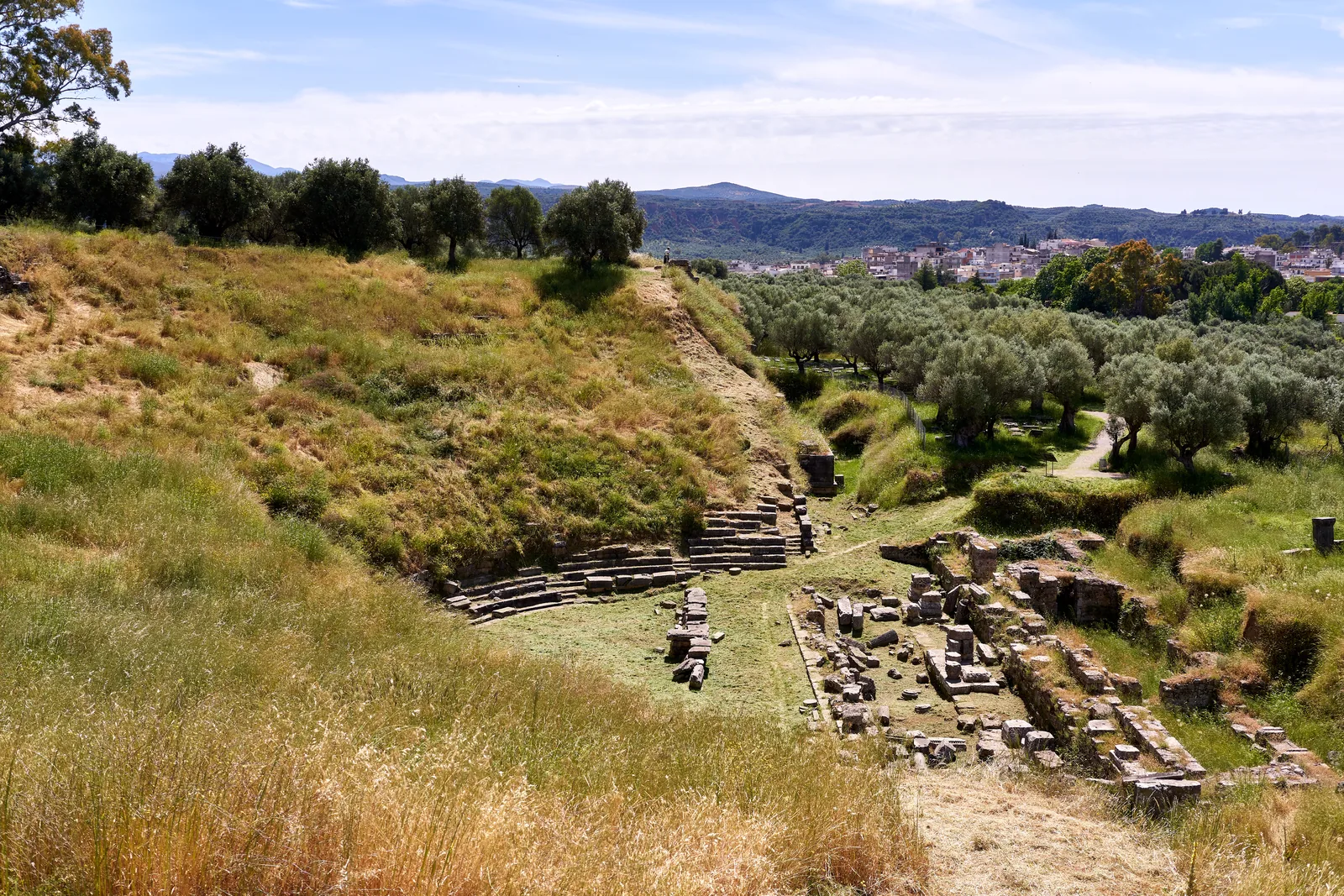
A city. An entire world.
Sparta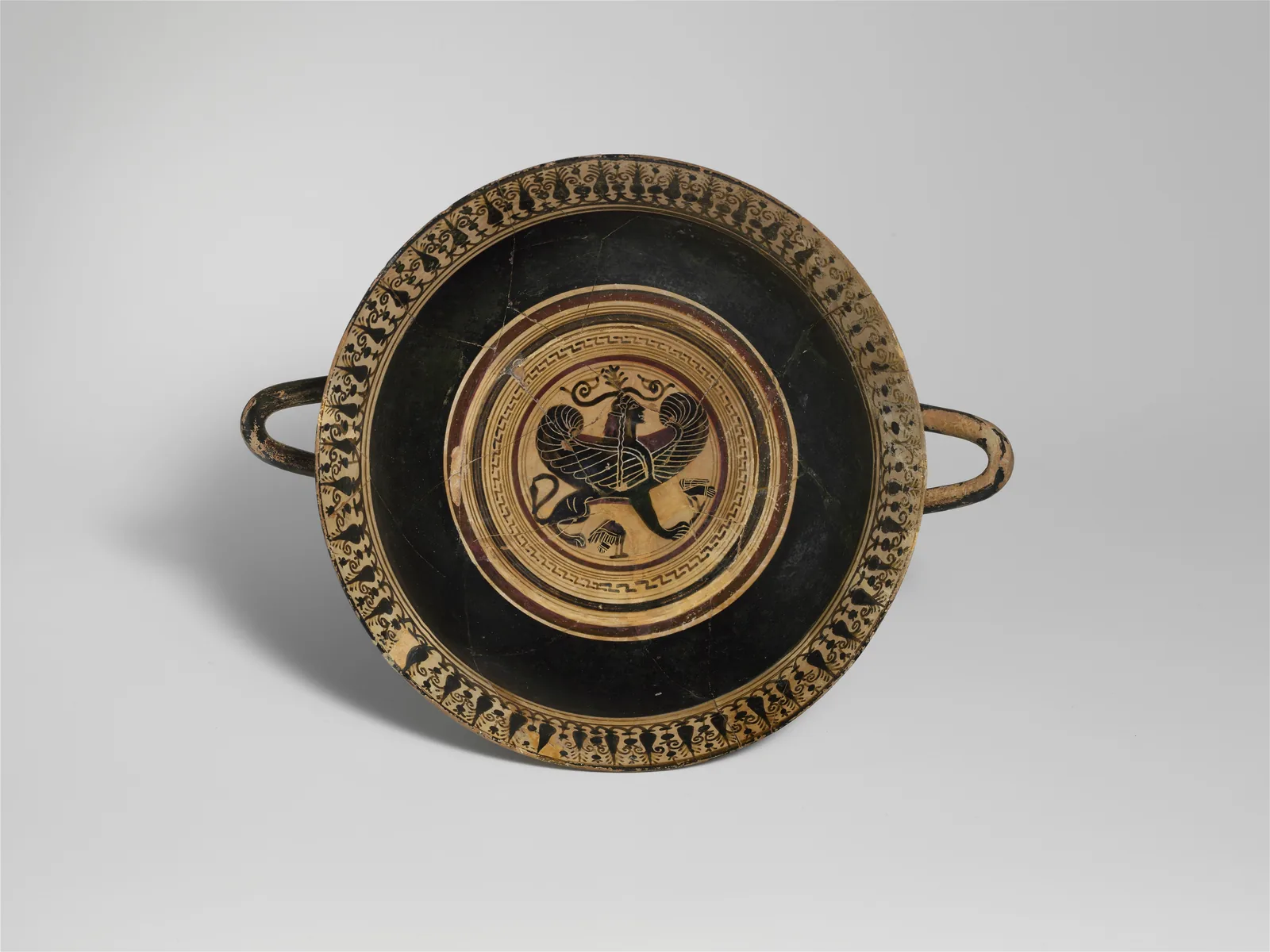
The art of being Spartan.
Art and craftsmanship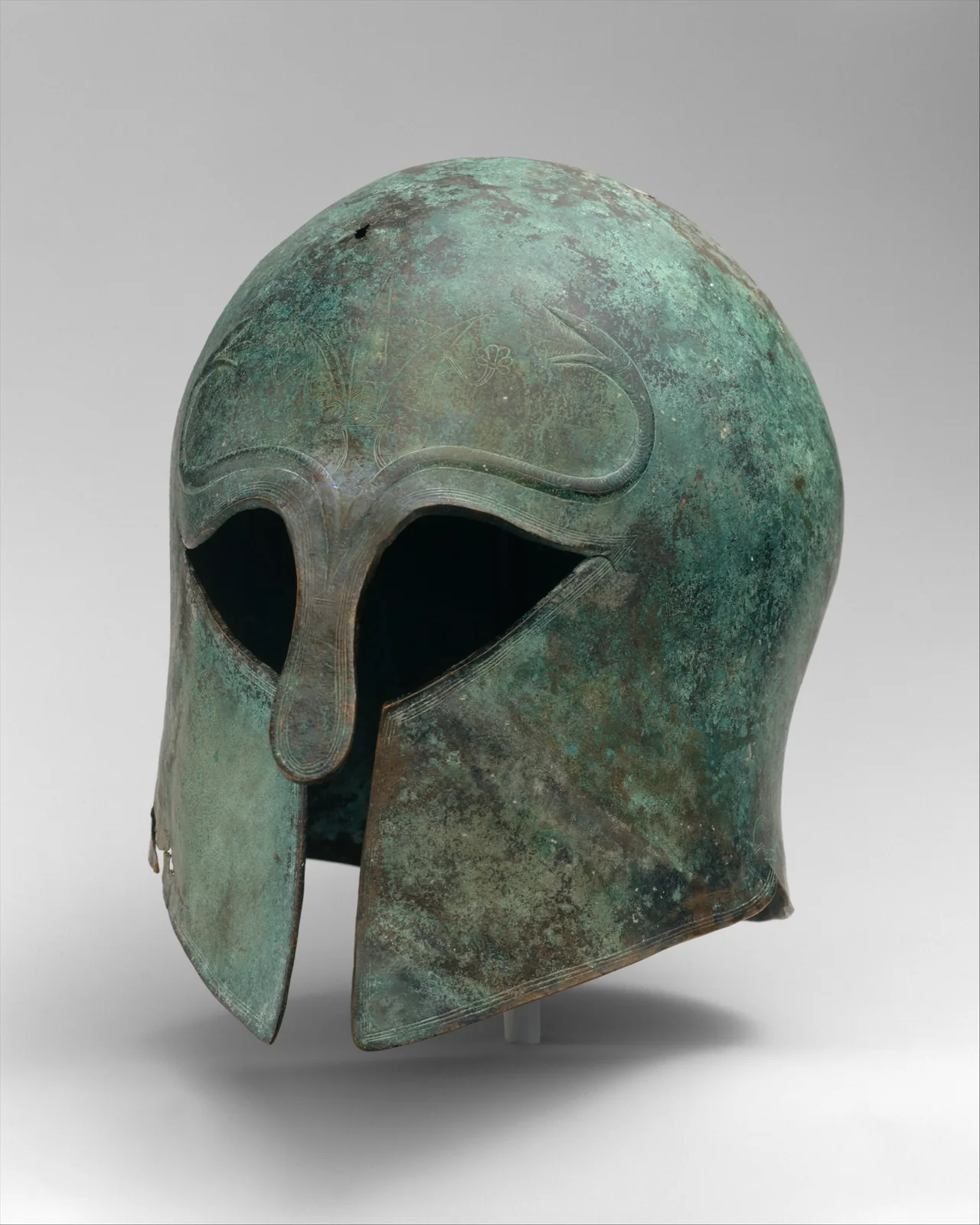
Armor, beyond the myth.
Arms and armor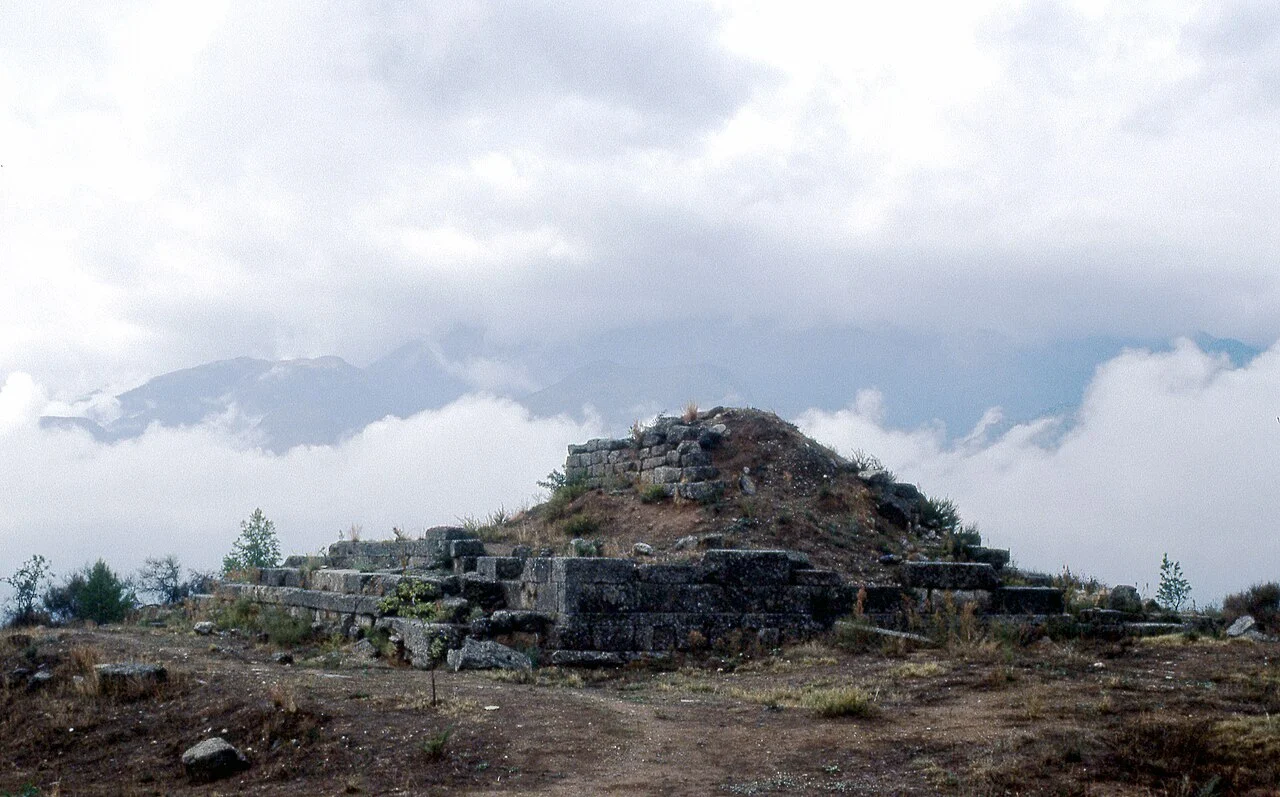
LATEST PUBLICATION · September 6, 2026
Menelaion: Helen’s sanctuary above Sparta ↗
Above the Eurotas valley, a sanctuary joined Helen and Menelaus to the landscape of Sparta. Its ruins offer evidence of ancient worship, while the stories attached to them reveal how Spartans imagined beauty, royal ancestry, and the relationship between their city and the heroic past.
THE LIBRARY
Explore the collection
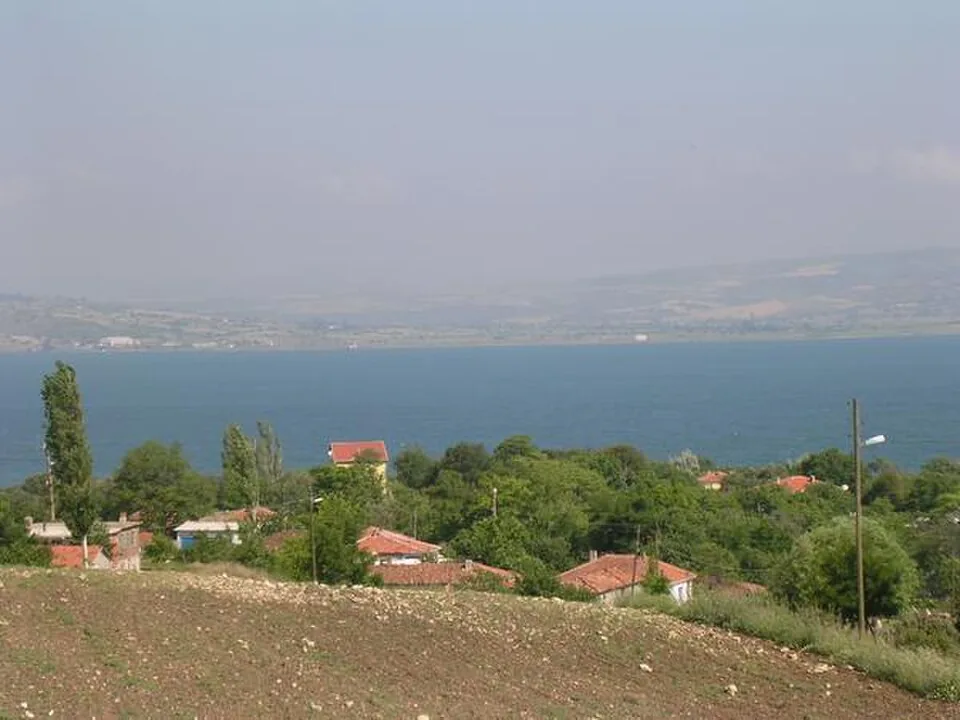
Aegospotami
Lysander's capture of the Athenian fleet in 405 BCE made the final blockade of Athens possible, though the battle's exact sequence remains disputed.
3 min read · 405 BCE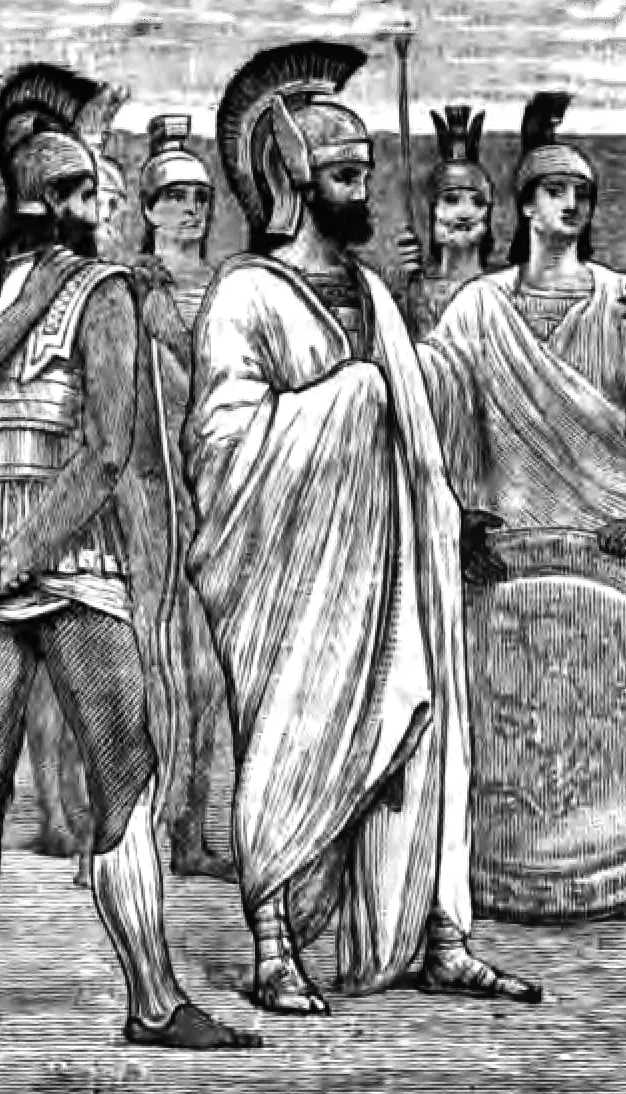
Agesilaus II
A long-reigning Eurypontid king whose campaigns span Spartan supremacy, its collapse at Leuctra, and the search for resources abroad.
3 min read · Reigned c. 400–360/359 BCE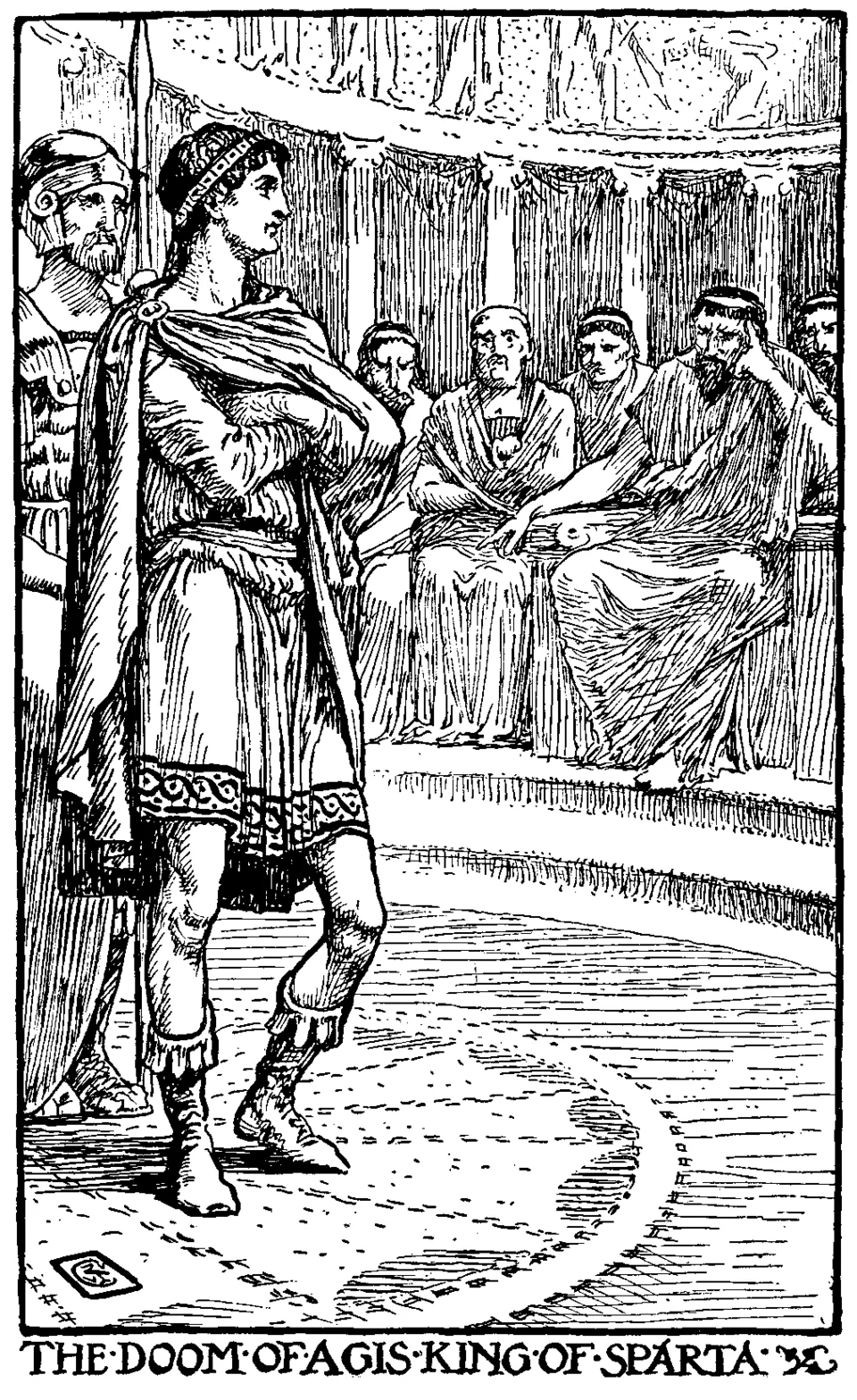
Agis IV
The young Eurypontid king whose attempt to cancel debts and redistribute land ended in political defeat and execution in 241 BCE.
3 min read · Reigned c. 244–241 BCE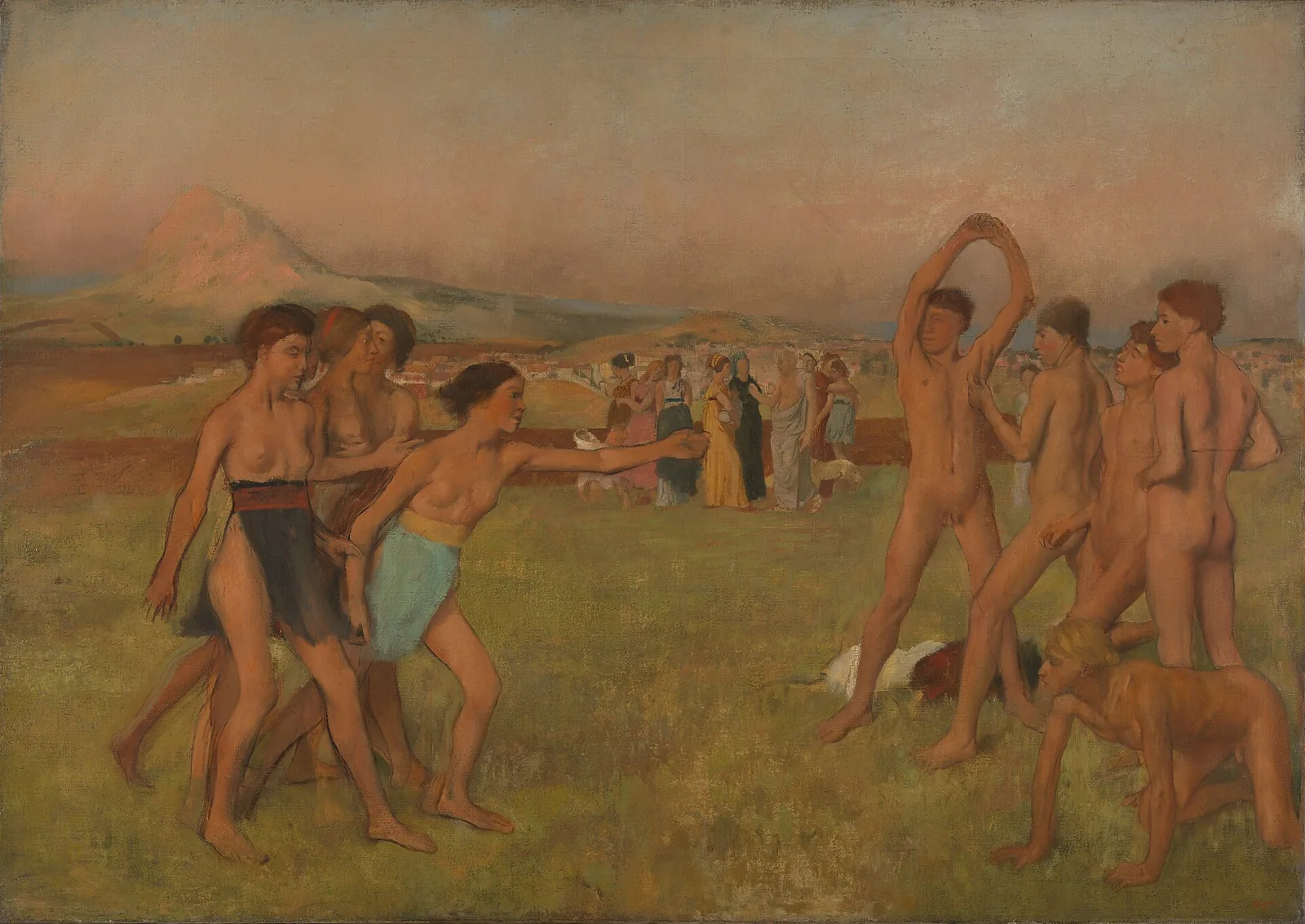
Agoge
Sparta's publicly supervised upbringing cultivated civic conduct, endurance, and competition, while changing significantly across its long history.
3 min read · Classical to Roman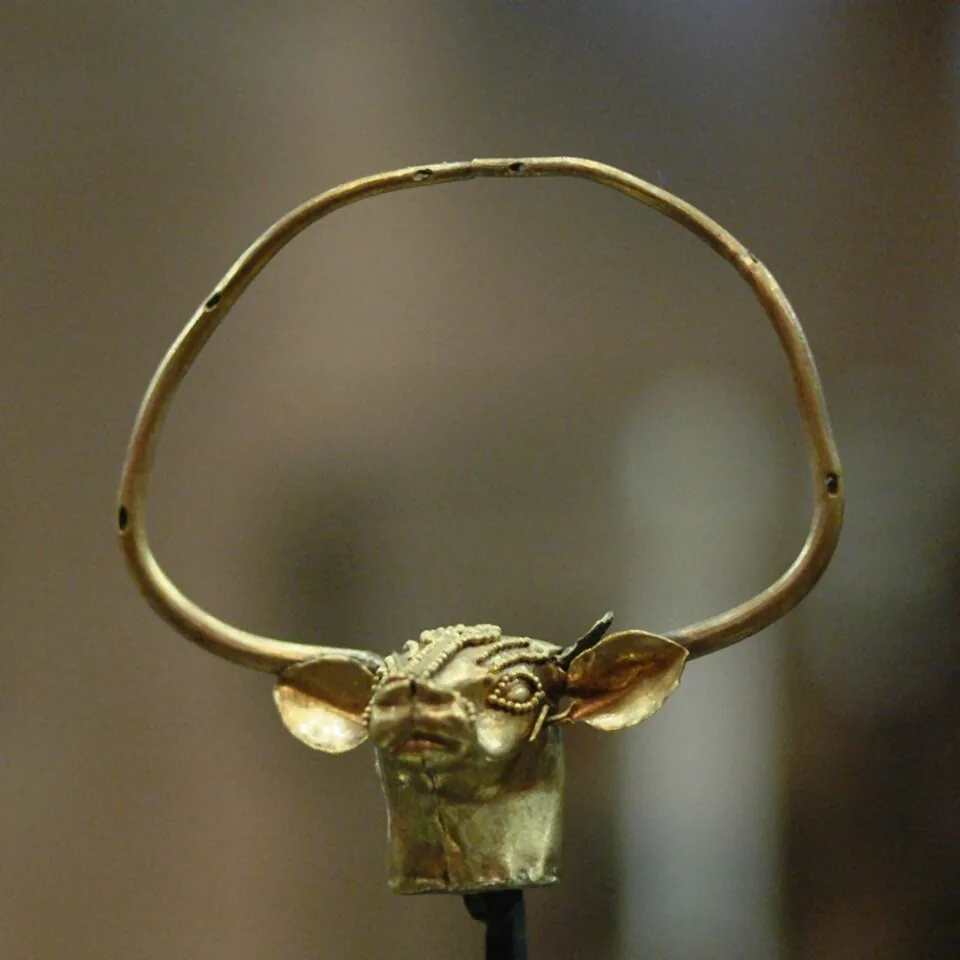
Amyclae
An old settlement south of Sparta whose sanctuary of Apollo and Hyacinthus became central to the wider community.
3 min read · Bronze Age to Roman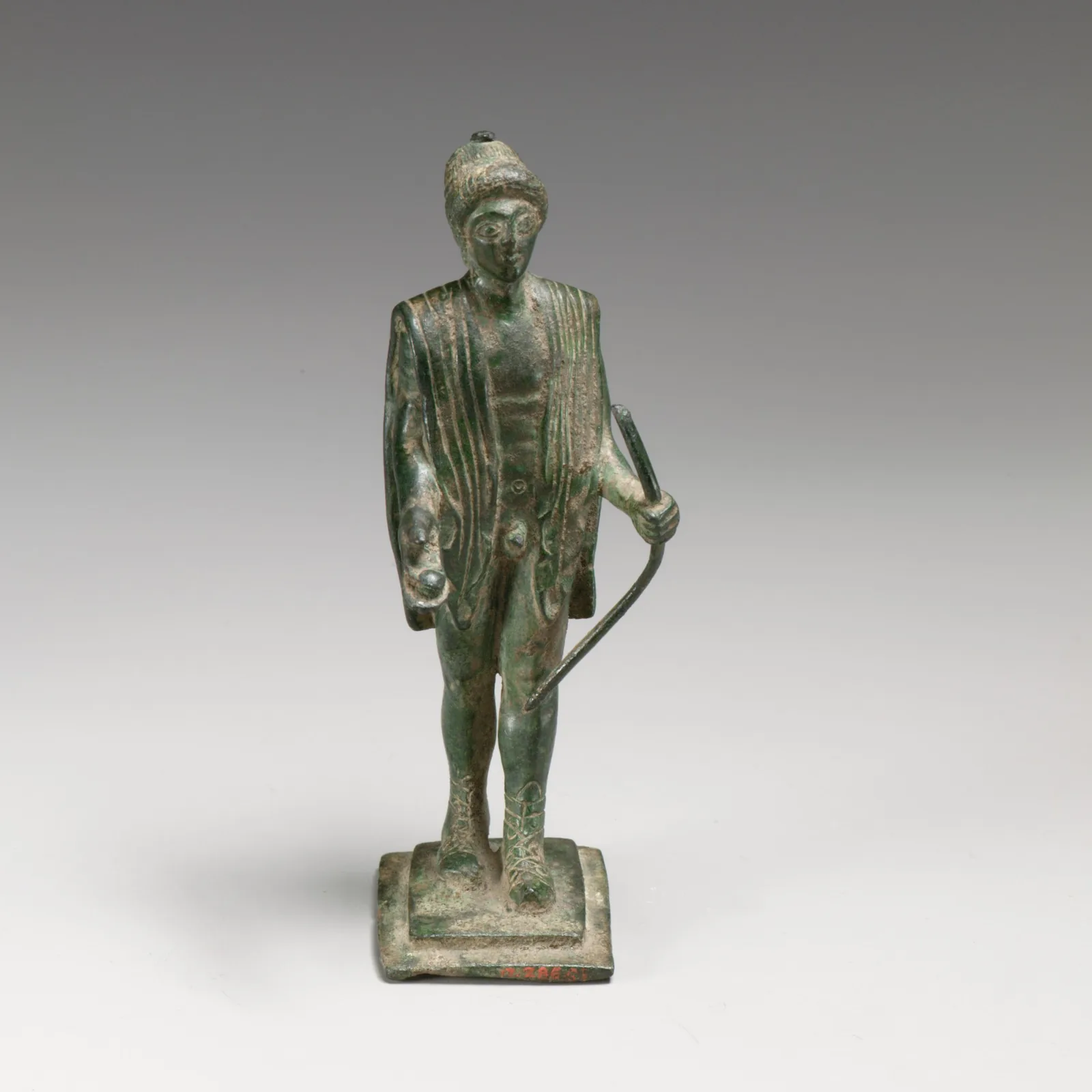
Apollo and the Hyakinthia
The festival at Amyclae brought mourning, celebration, performance, and shared belonging into the sacred relationship between Apollo and Hyacinthus.
3 min read · Archaic to Roman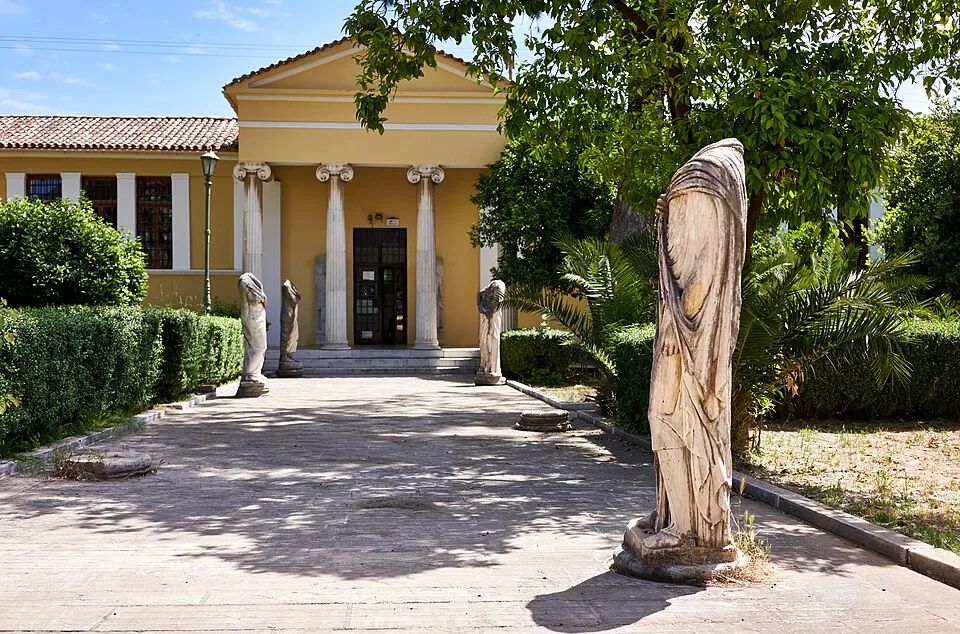
Archaeology
What sanctuaries, pottery, inscriptions, buildings, and rural surveys reveal about the people behind Sparta's literary image.
3 min read · Bronze Age to Late AntiquityArms and armor
Spears, shields, helmets, and changing protection placed Spartan soldiers within the material culture of Greek warfare.
3 min read · Archaic–Hellenistic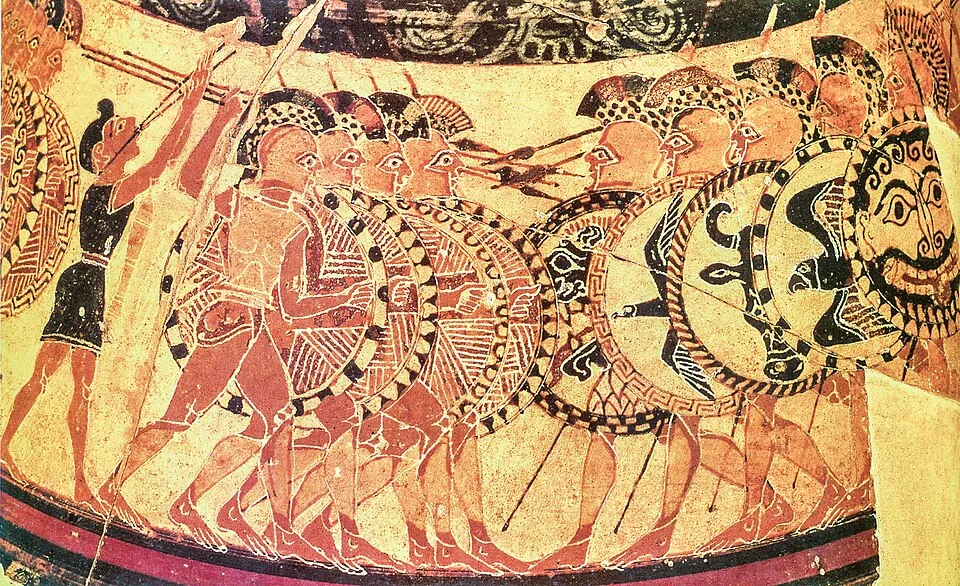
Army and phalanx
The organization, discipline, and changing composition of an army whose reputation depended on far more than citizen hoplites.
3 min read · Archaic–HellenisticArt and craftsmanship
Laconian pottery, small dedications, metalwork, and monumental sacred art challenge the notion of Sparta as a society without visual culture.
3 min read · Especially 7th–6th centuries BCE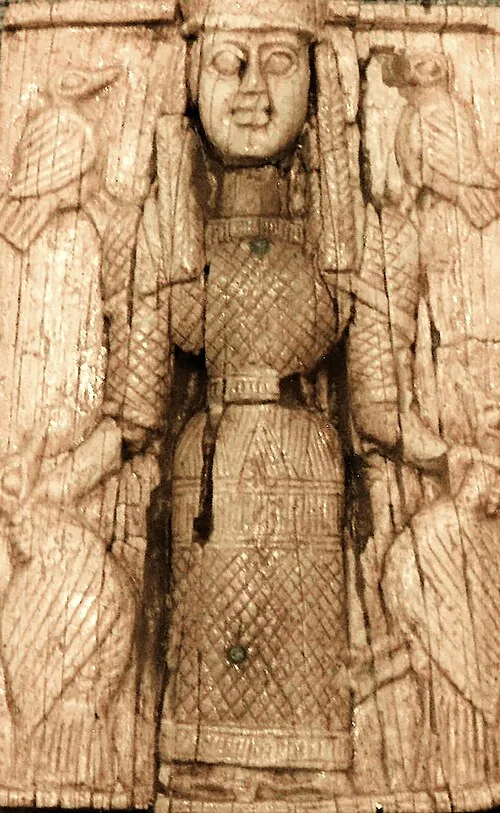
Artemis Orthia
A sanctuary beside the Eurotas where offerings, communal rites, and later endurance spectacles reveal a changing religious tradition.
3 min read · Archaic to Roman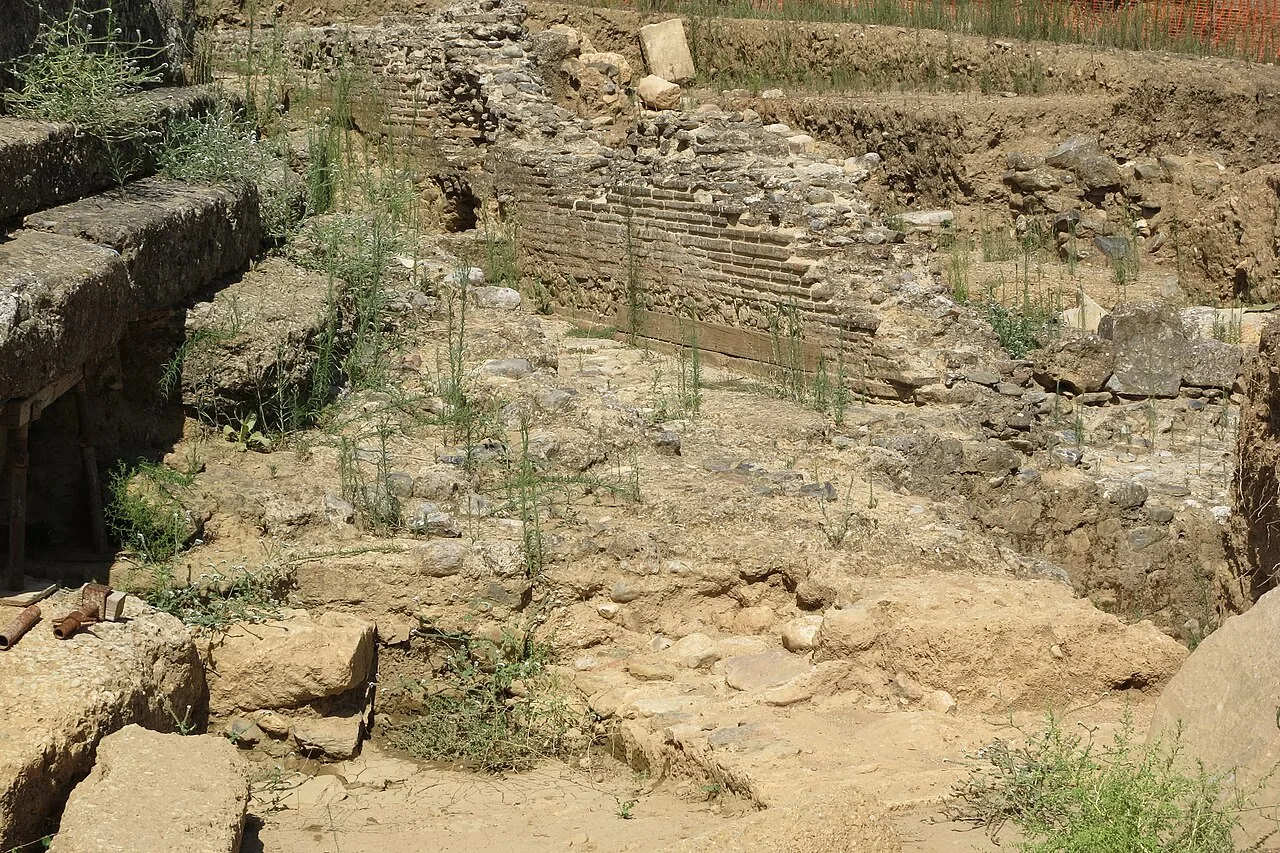
Assembly
Full male citizens gathered to make consequential choices, though their powers operated within a system shaped by elders, ephors, and kings.
3 min read · Archaic and Classical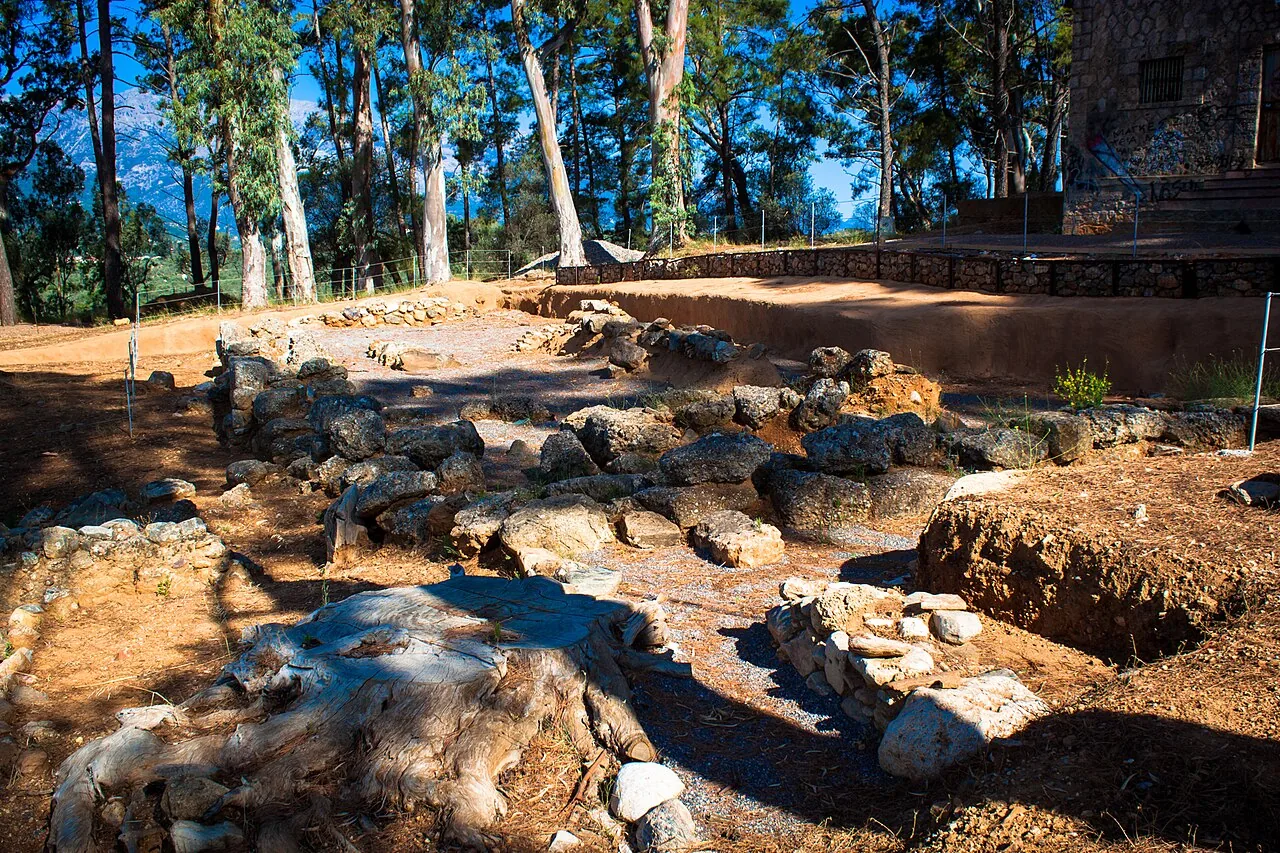
Athena Chalkioikos
Athena of the Bronze House protected the civic center and stood at the intersection of sacred art, political memory, and the duties owed to suppliants.
3 min read · Archaic to Roman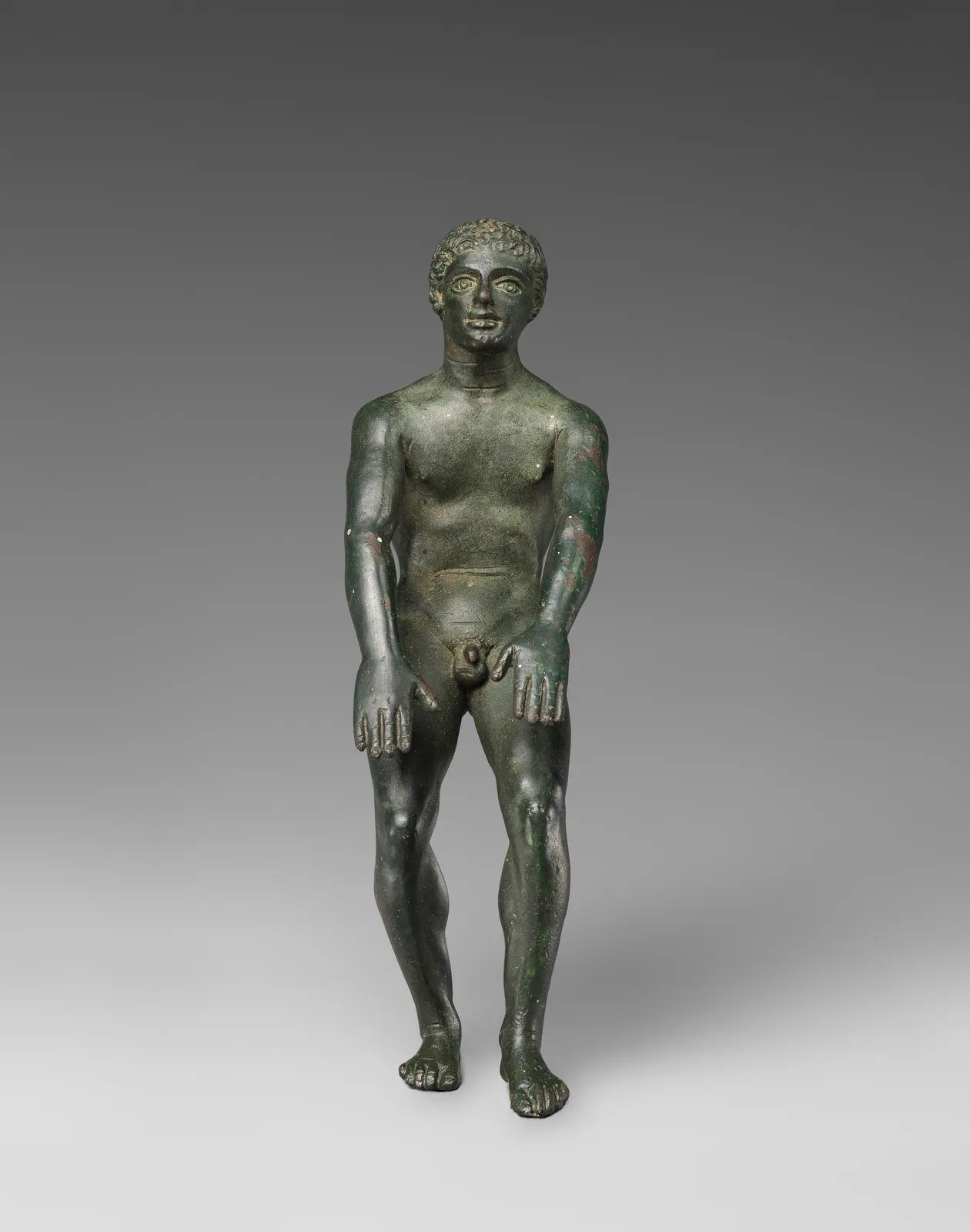
Athletics
Competition offered prestige and public recognition, while revealing tensions between individual excellence, civic usefulness, and unequal resources.
3 min read · Archaic to Roman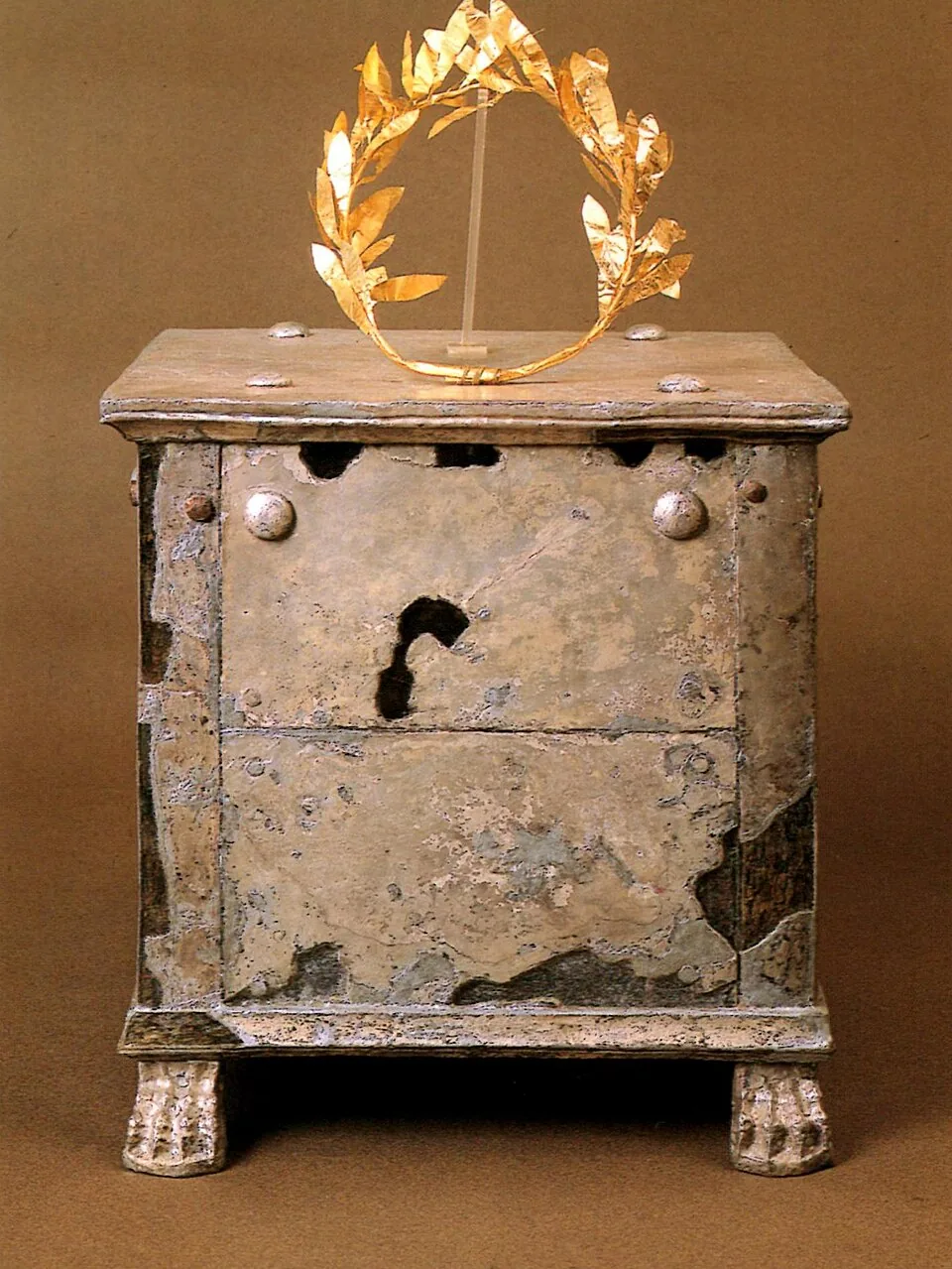
Brasidas
A resourceful Spartan commander whose northern campaign challenged Athenian power through negotiation, surprise, and promises of autonomy.
3 min read · Died 422 BCE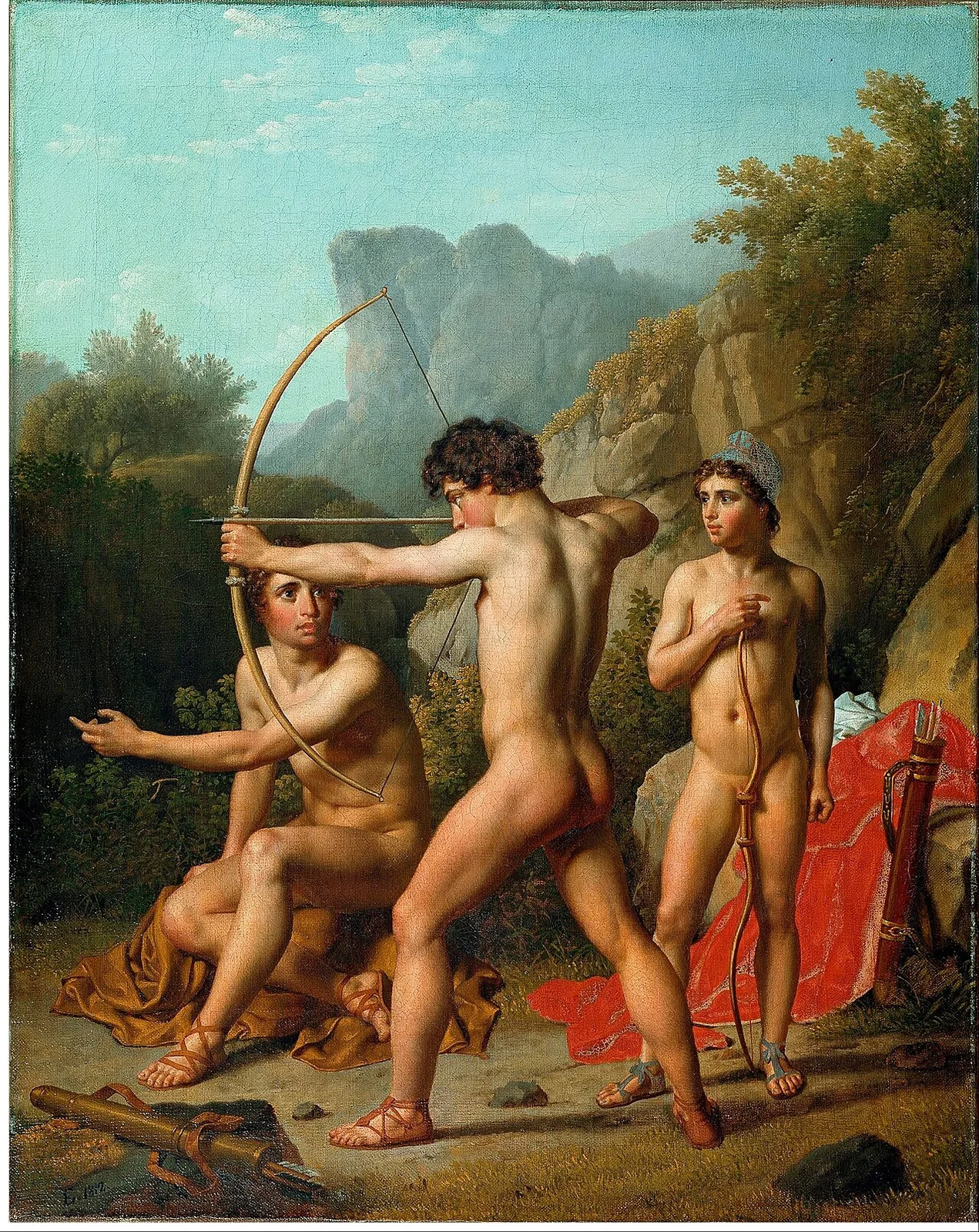
Childhood
Growing up in Sparta meant different things according to gender, household status, and the period in which a child lived.
3 min read · Archaic to Roman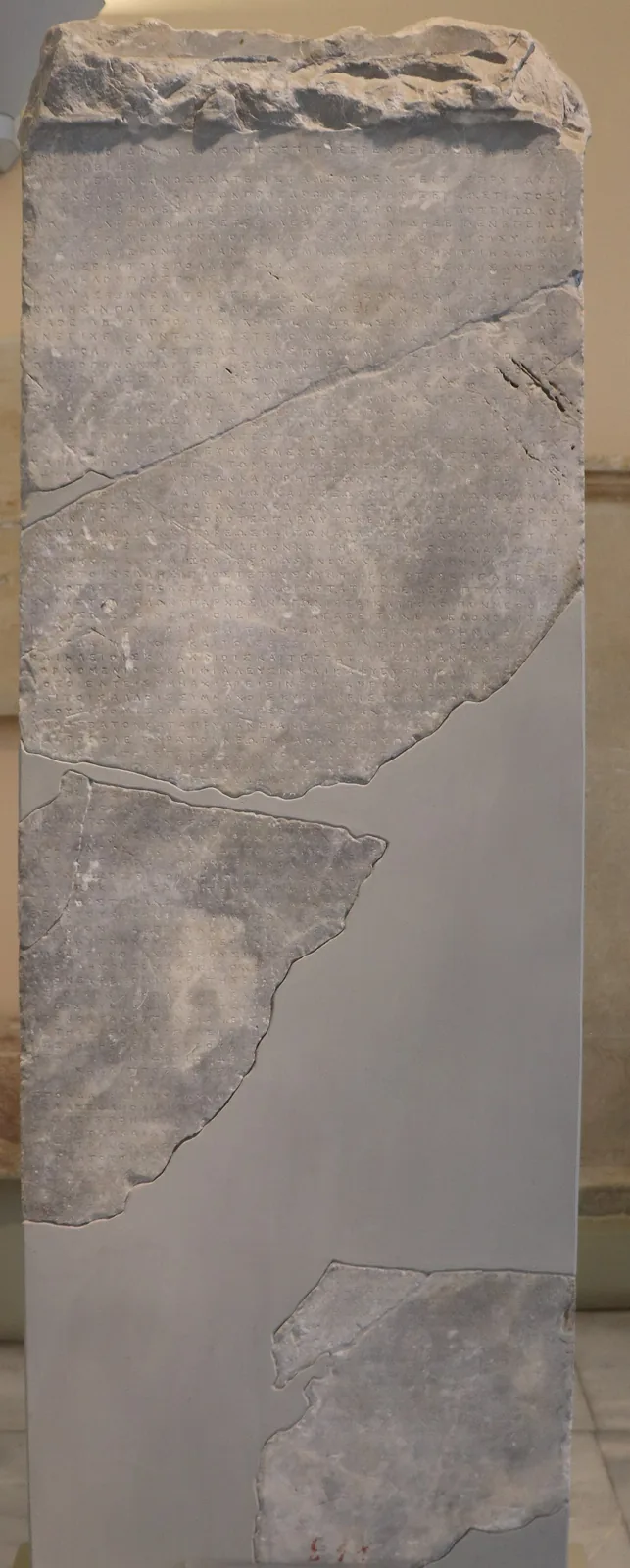
Citizenship
Belonging to Sparta's full citizen body required recognition, resources, upbringing, and continuing participation in shared obligations.
3 min read · Classical and Hellenistic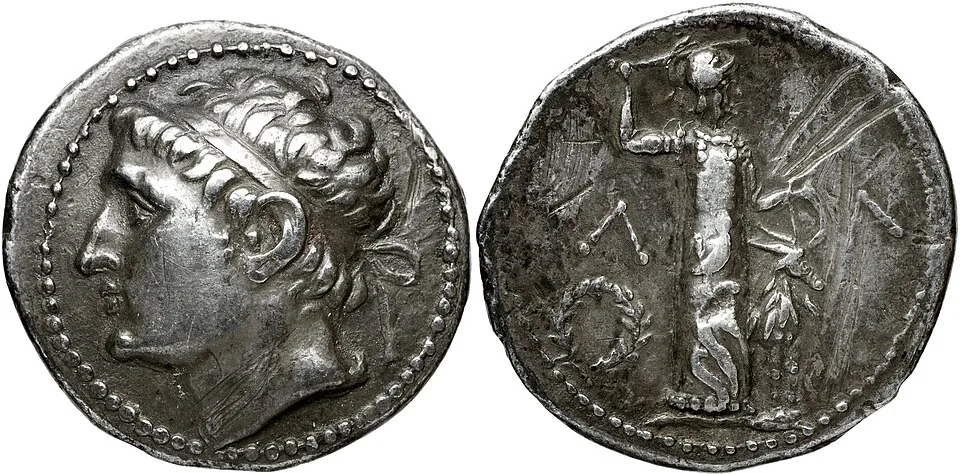
Cleomenes III
A Hellenistic king who combined land reform and citizen expansion with a violent concentration of power and an ambitious war in the Peloponnese.
3 min read · Reigned c. 235–222 BCE; died 219 BCE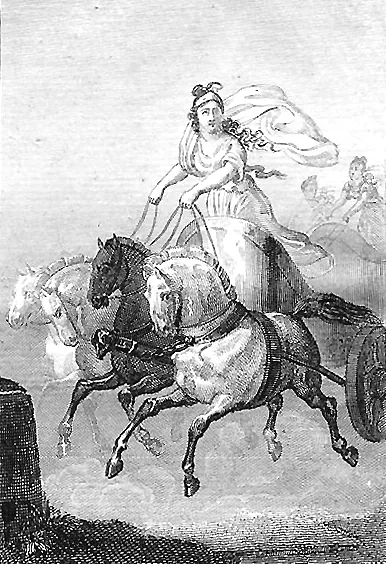
Cynisca
A Spartan royal woman credited with Olympic chariot victories in 396 and 392 BCE, whose achievements reveal both opportunity and privilege.
3 min read · Olympic victories 396 and 392 BCE
Dorian origins
How stories of migration and the return of Heracles' descendants gave Sparta a language for identity and territorial claims.
3 min read · Traditions of early Greece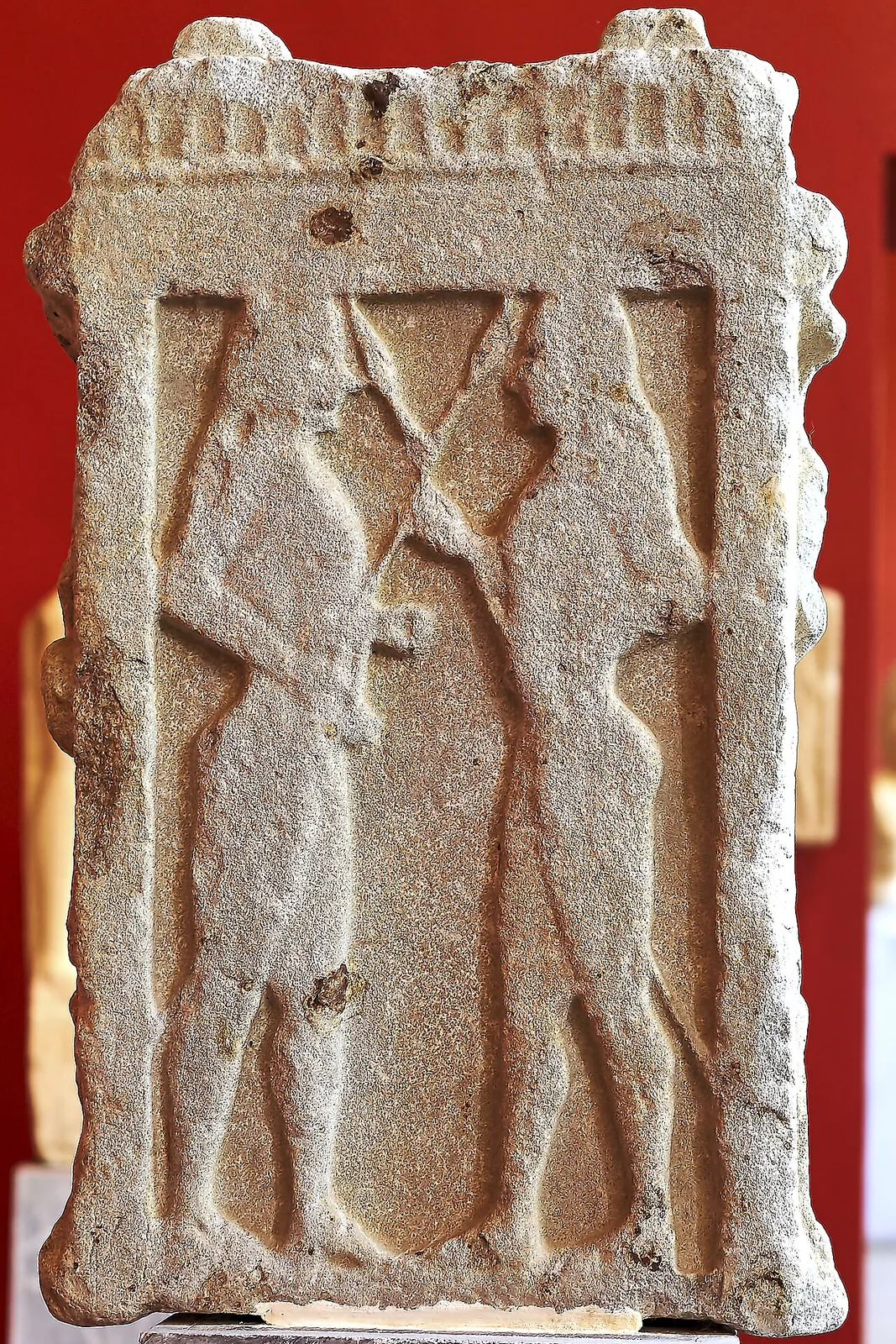
Dual kingship
Two hereditary royal houses shared a state in which military leadership and sacred authority coexisted with powerful civic constraints.
3 min read · Archaic to Hellenistic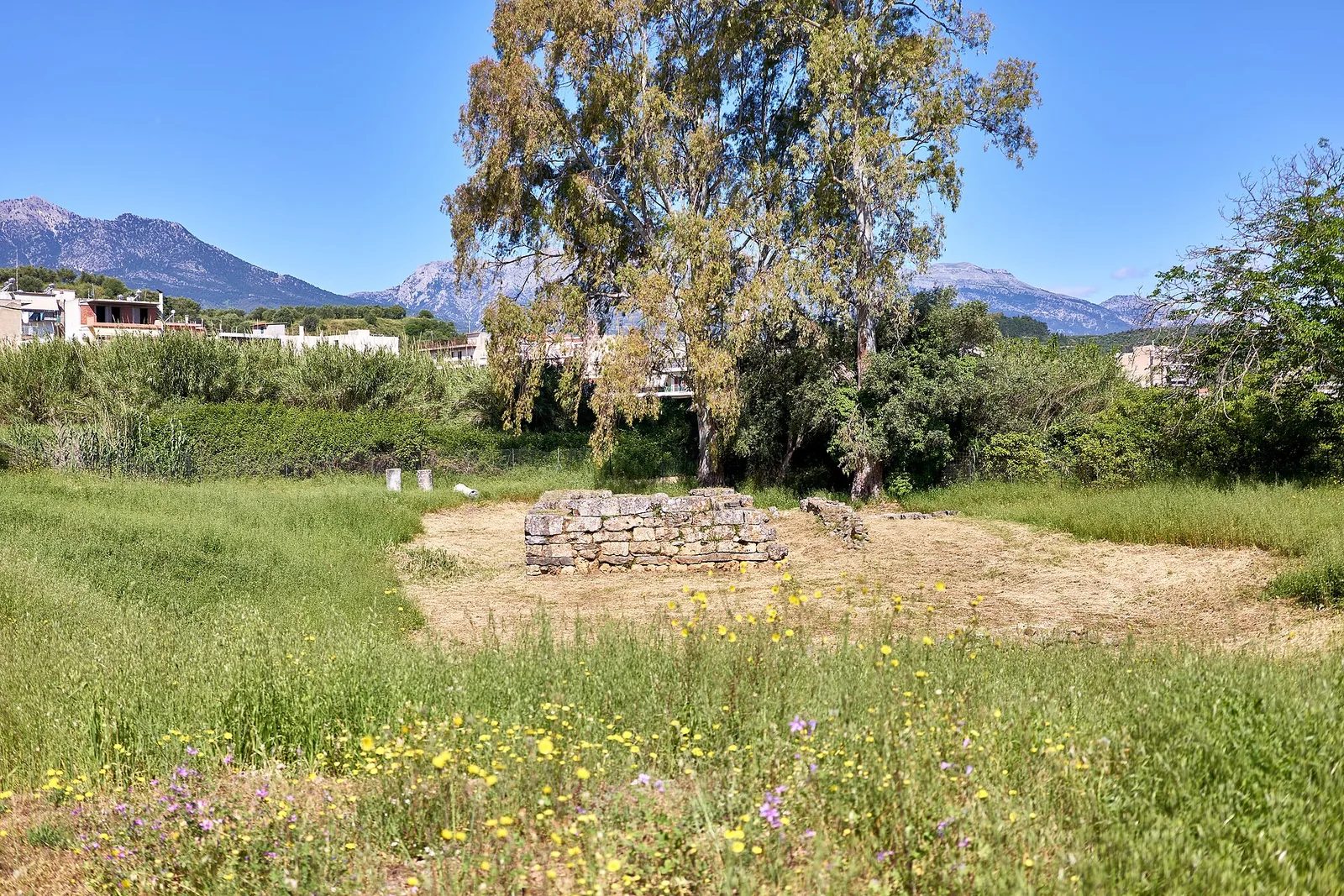
Early Sparta
The gradual formation of a community through settlement, shared sanctuaries, regional expansion, and changing institutions.
3 min read · c. 950–600 BCE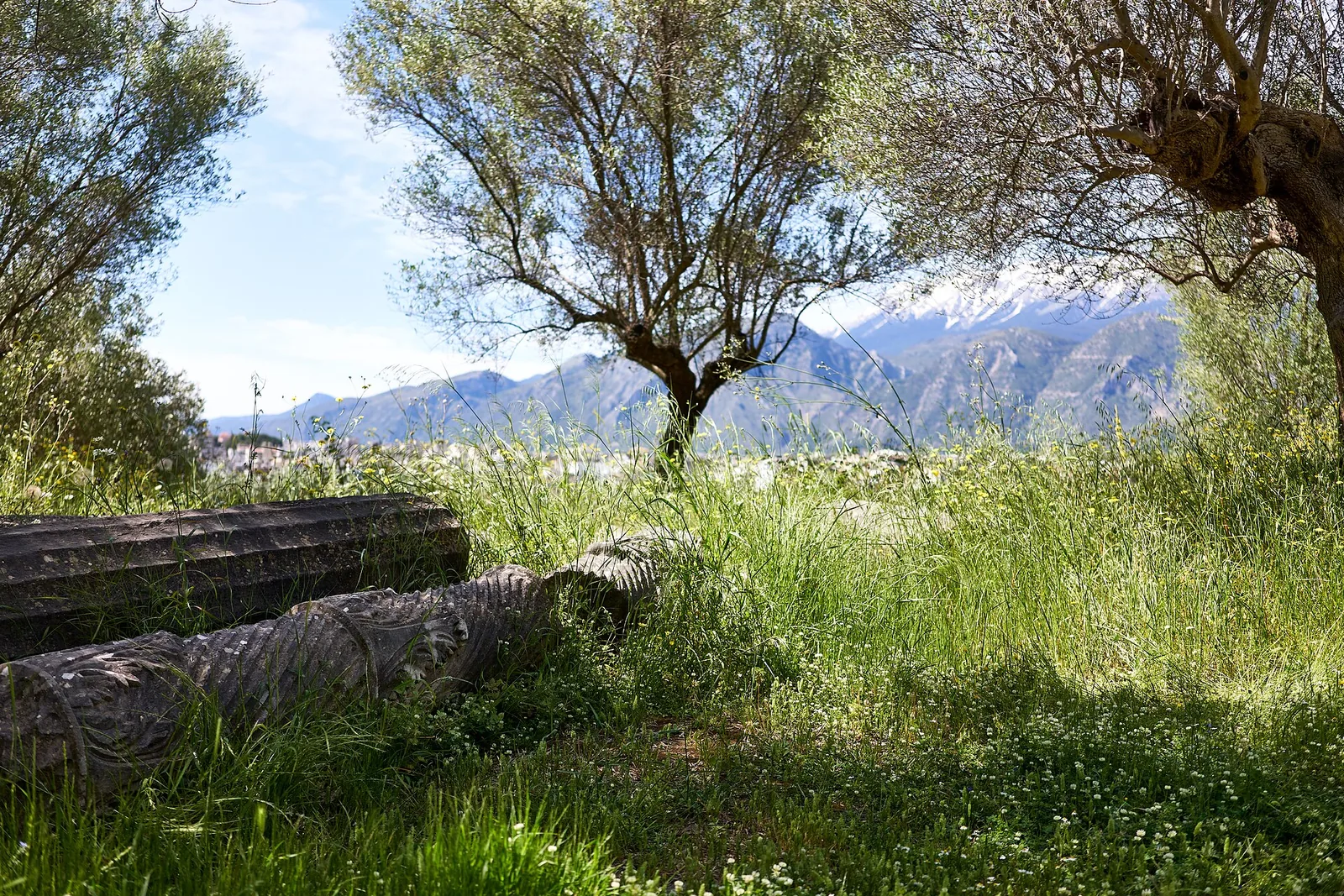
Earthquake and helot revolt
A disaster in the 460s BCE exposed the fragility of Spartan domination and helped turn tension with Athens into open hostility.
3 min read · c. 464 BCE and the following years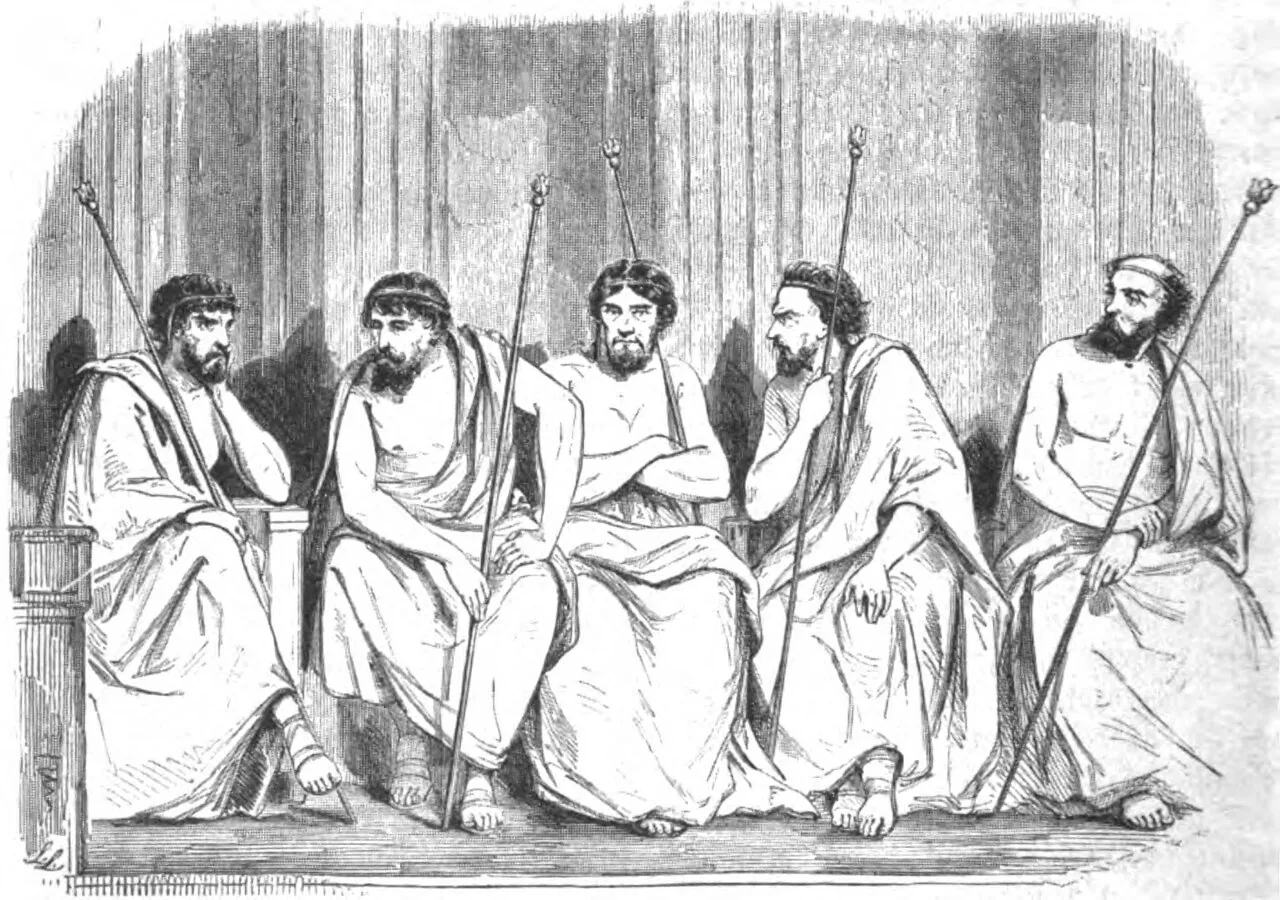
Ephors
Five annually chosen overseers exercised wide civic powers and could challenge even the kings, making their office central to Spartan government.
3 min read · Classical to HellenisticEurotas and Taygetus
The river valley and mountain range that shaped farming, travel, worship, and the horizons of Spartan life.
3 min read · Across antiquity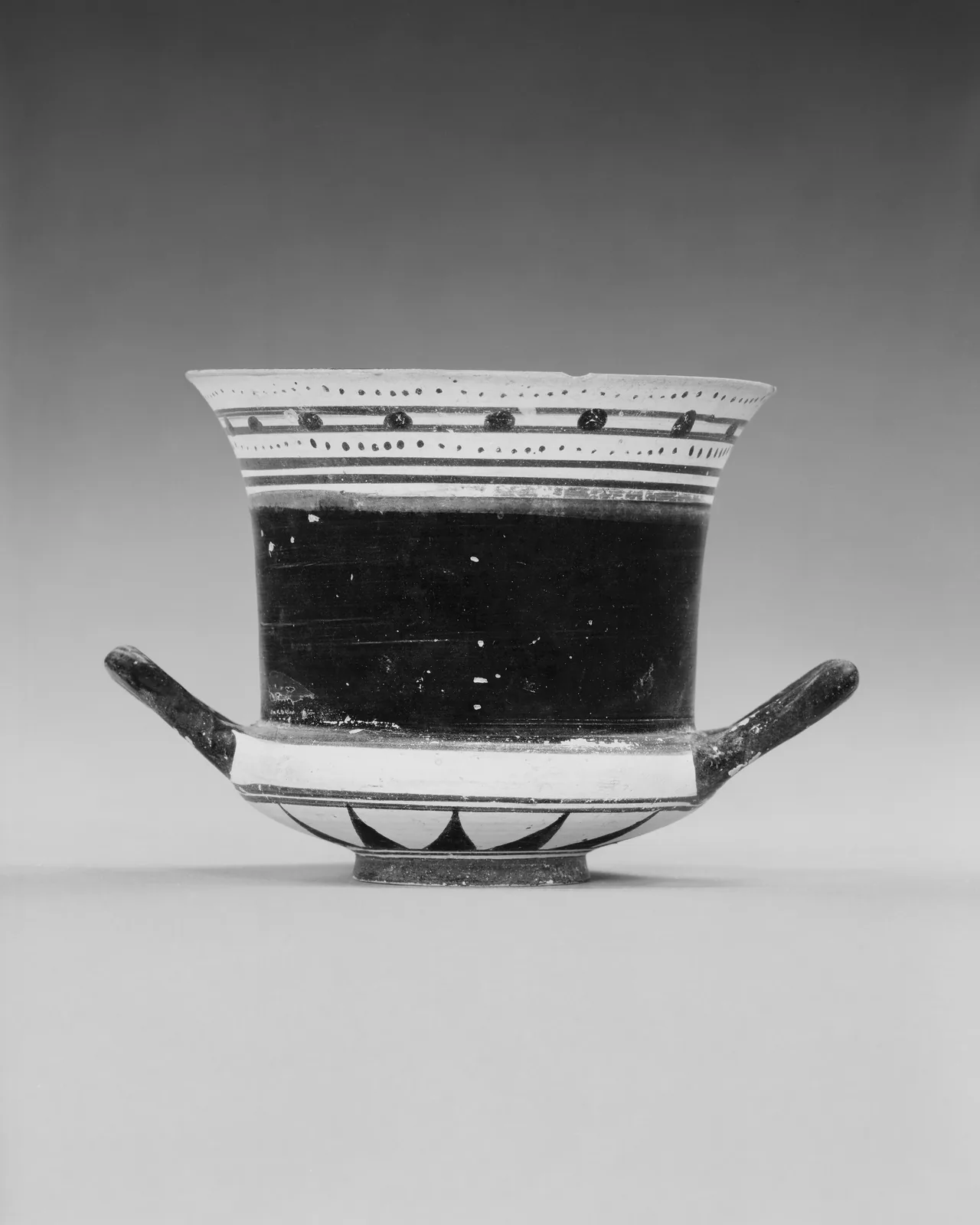
Food and clothing
Ordinary necessities became symbols of restraint, but the realities of diet and dress extended well beyond black broth and crimson cloaks.
3 min read · Archaic and Classical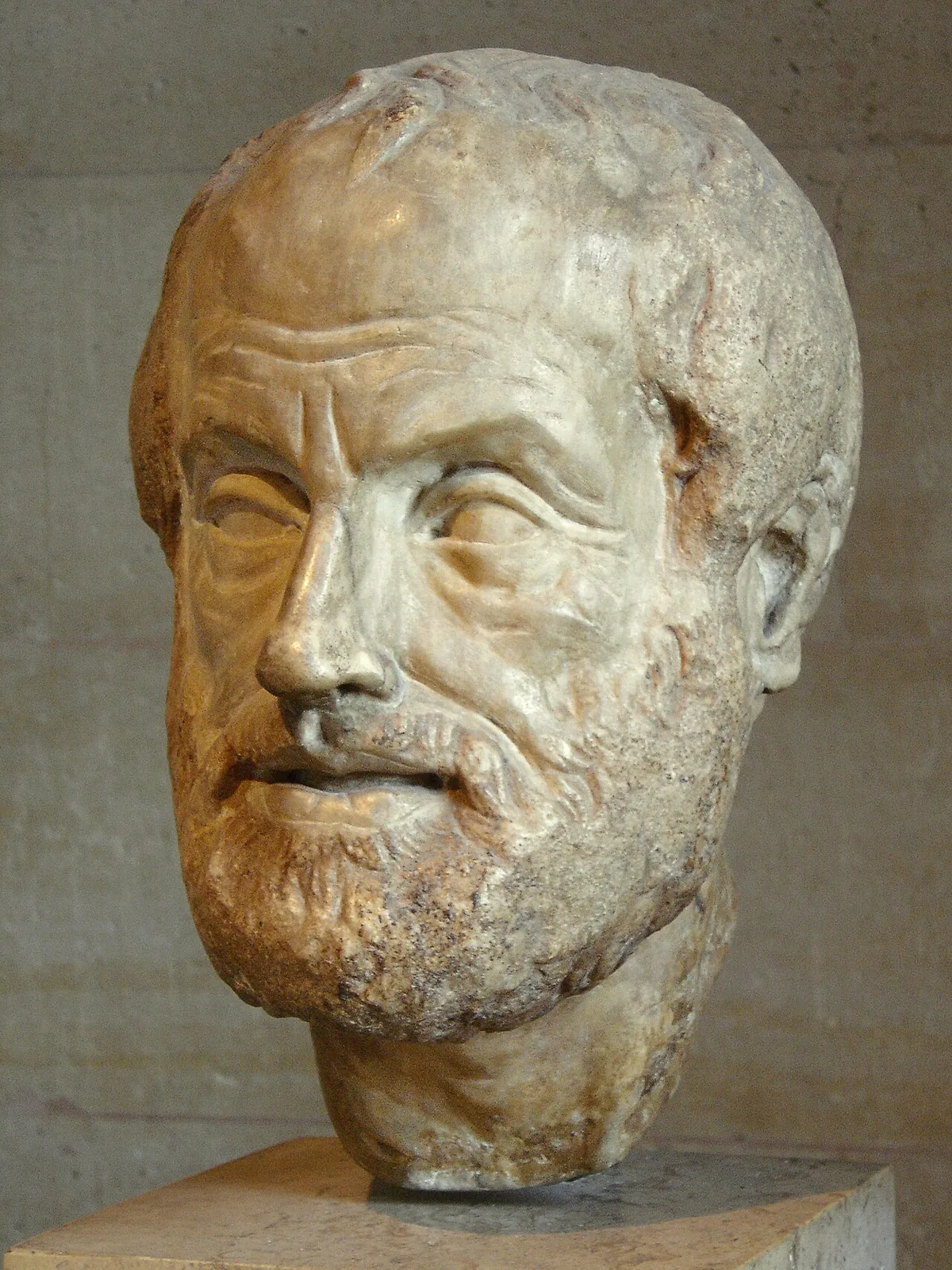
Gerousia
The council of elders gave a small, prestigious body a lasting role in deliberation, judgment, and the limits of royal and popular power.
3 min read · Archaic and Classical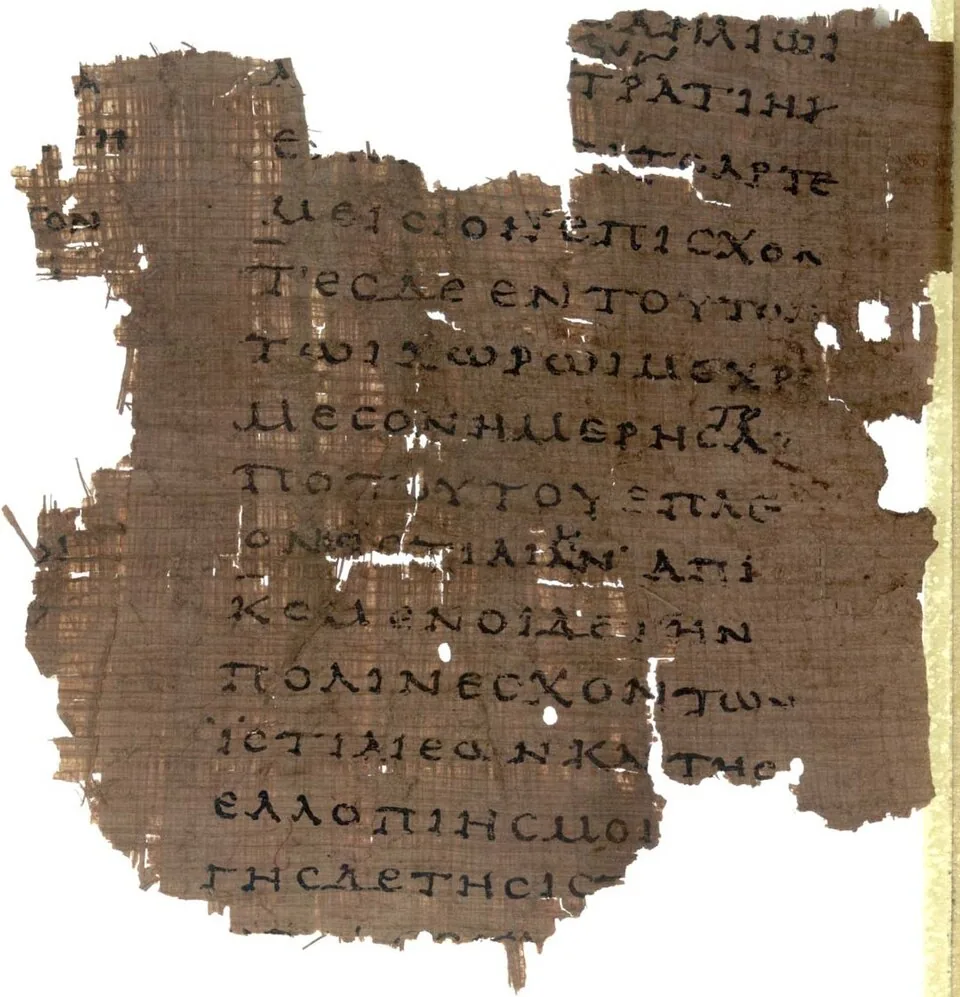
Gorgo
A Spartan royal woman known chiefly through Herodotus' stories of political judgment, rather than a continuous account of her life.
3 min read · Late sixth–early fifth century BCE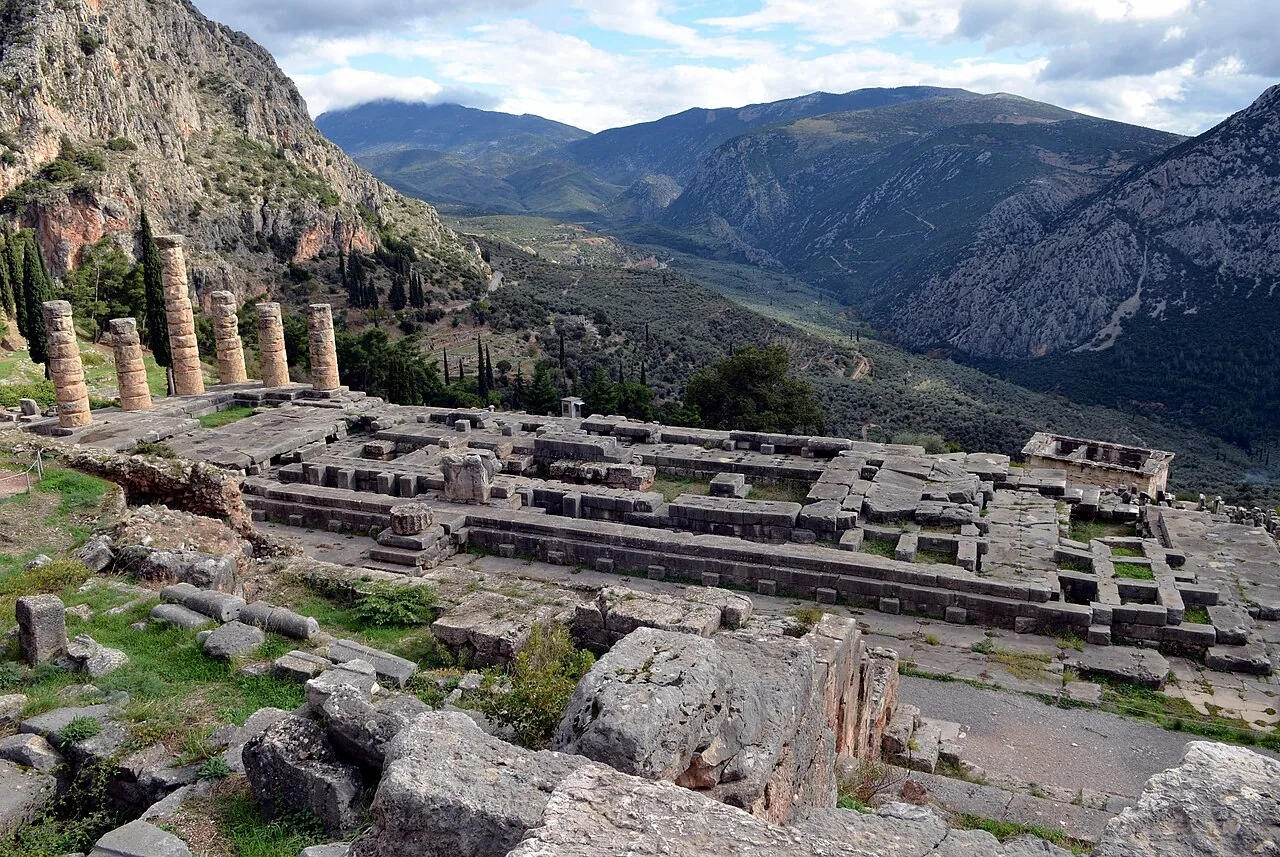
Great Rhetra
A short, difficult constitutional tradition that became central to explanations of Sparta's institutions and their ancestral legitimacy.
3 min read · Traditionally Archaic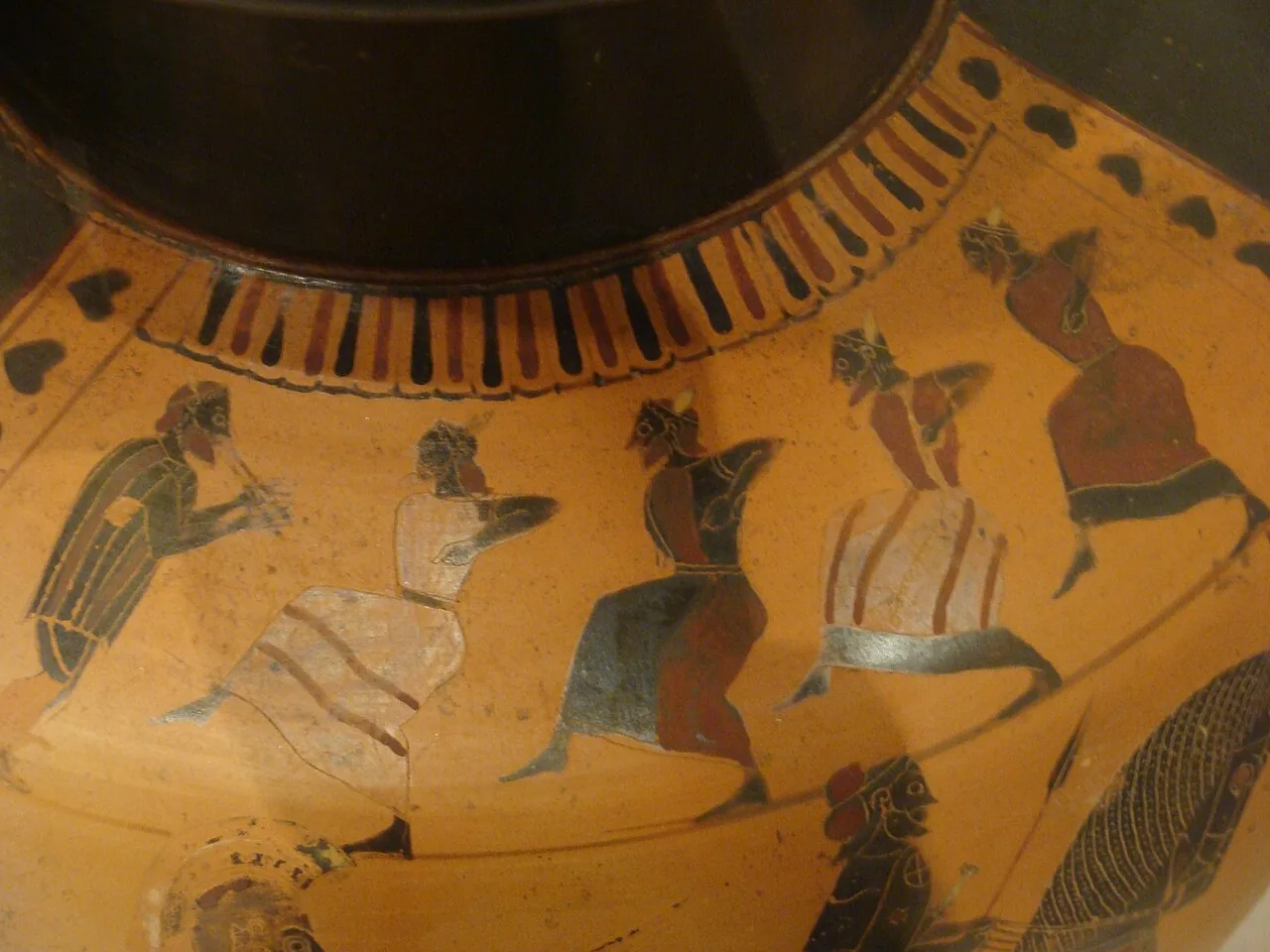
Gymnopaedia
A festival of choral performance and public endurance that made the citizen community visible through bodies, voices, and collective memory.
3 min read · Archaic to Roman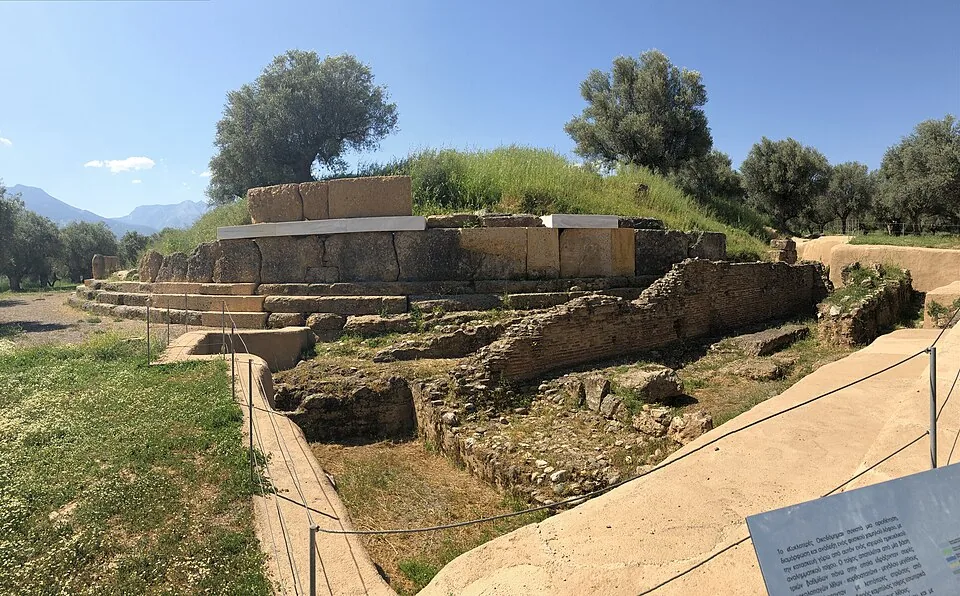
Hellenistic and Roman Sparta
A city that outlived its hegemony, confronting reform, foreign power, and the opportunities of its celebrated past.
3 min read · 323 BCE–Roman Empire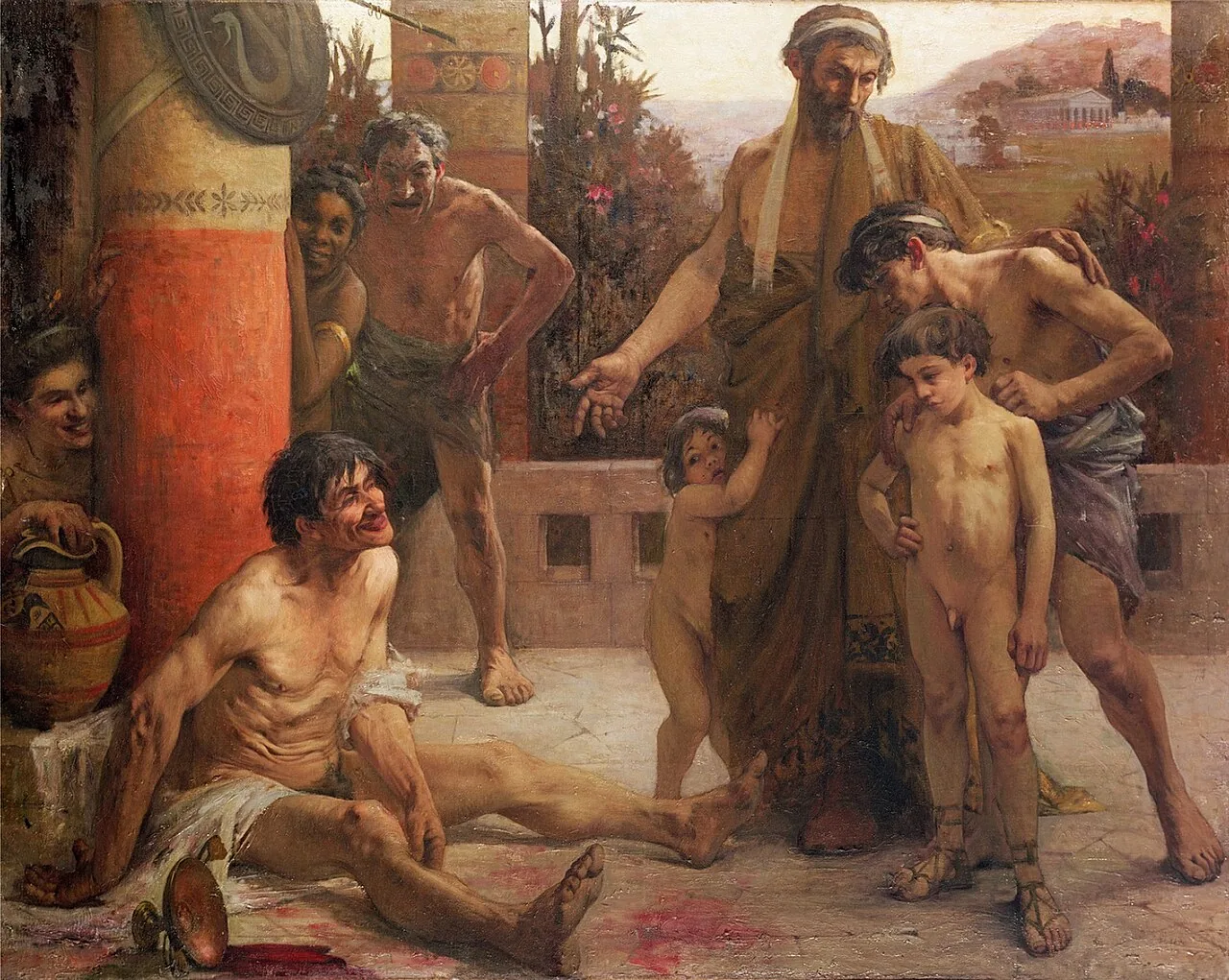
Helots
The unfree people whose labor sustained Spartan households and whose resistance repeatedly shaped the state's decisions.
3 min read · Archaic to Hellenistic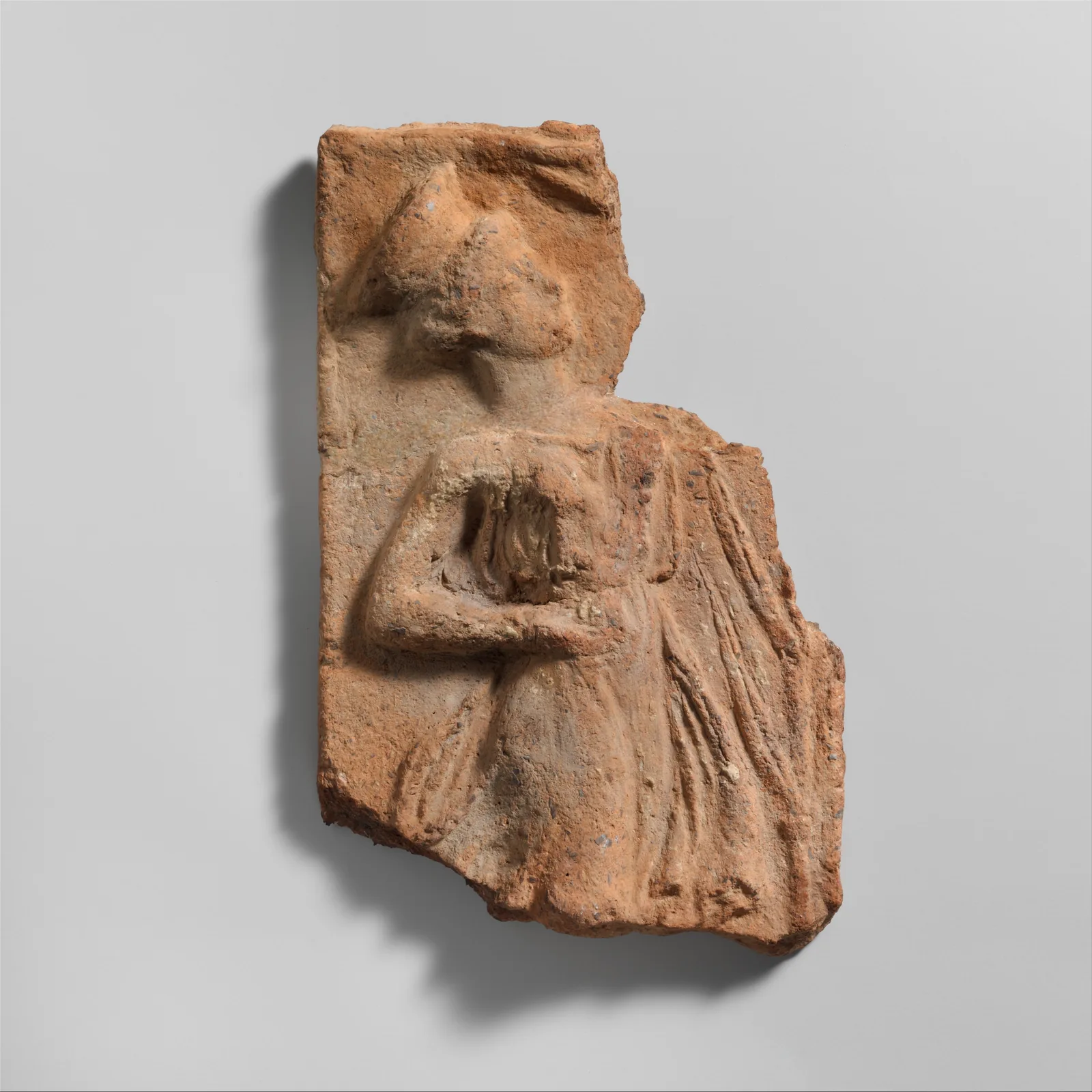
Karneia
A major festival of Apollo whose sacred obligations connected Spartan identity with the wider Dorian world and could influence military action.
3 min read · Archaic and Classical
Krypteia
A poorly documented Spartan practice associated in different sources with endurance, secrecy, and violence against helots.
3 min read · Classical traditions and later accounts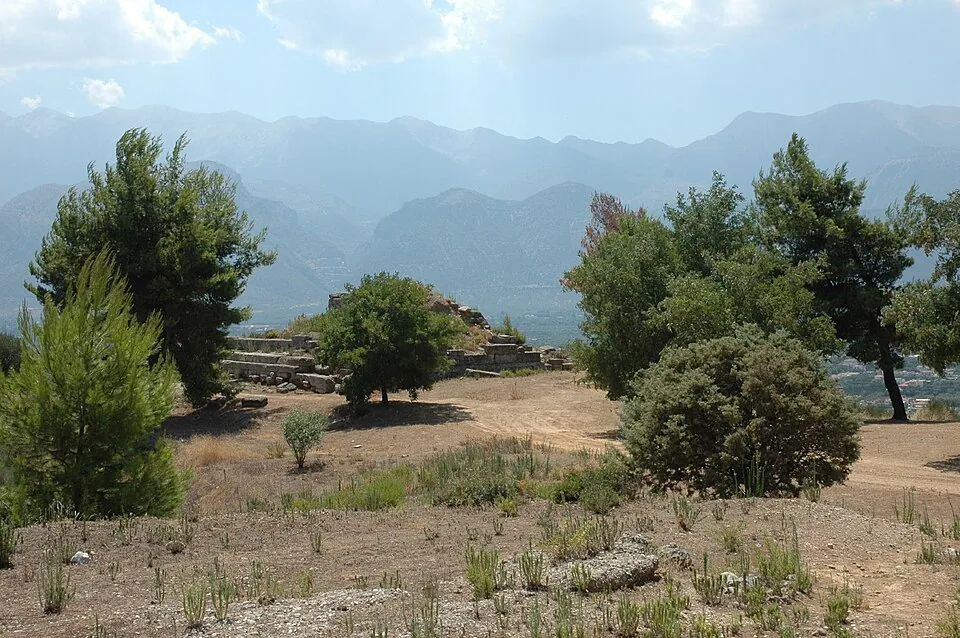
Laconia
The varied region around Sparta, where valleys, mountains, ports, and local communities sustained a powerful state.
3 min read · Archaic to Roman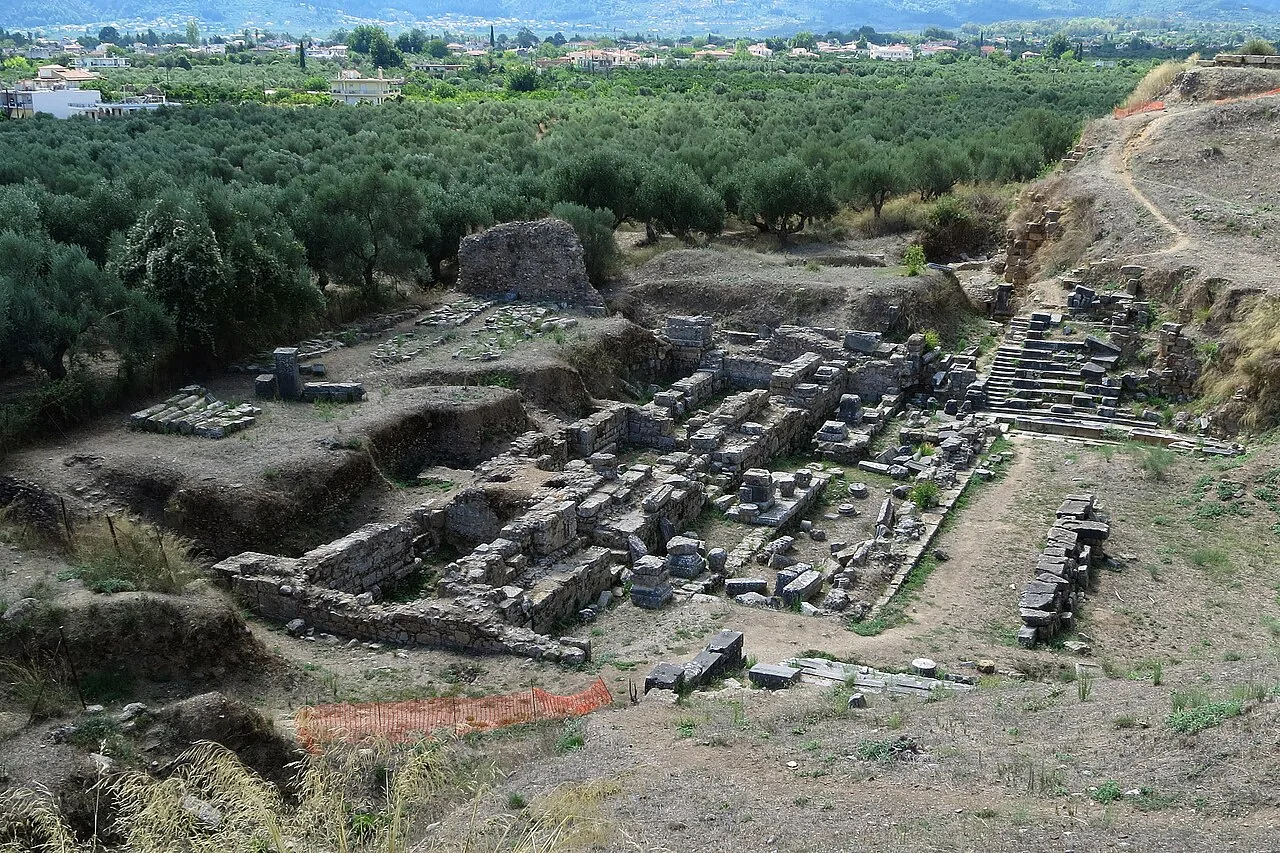
Land and agriculture
Fields and dependent labor financed the civic life of Sparta, while inheritance and unequal holdings helped shape its political tensions.
3 min read · Archaic to Hellenistic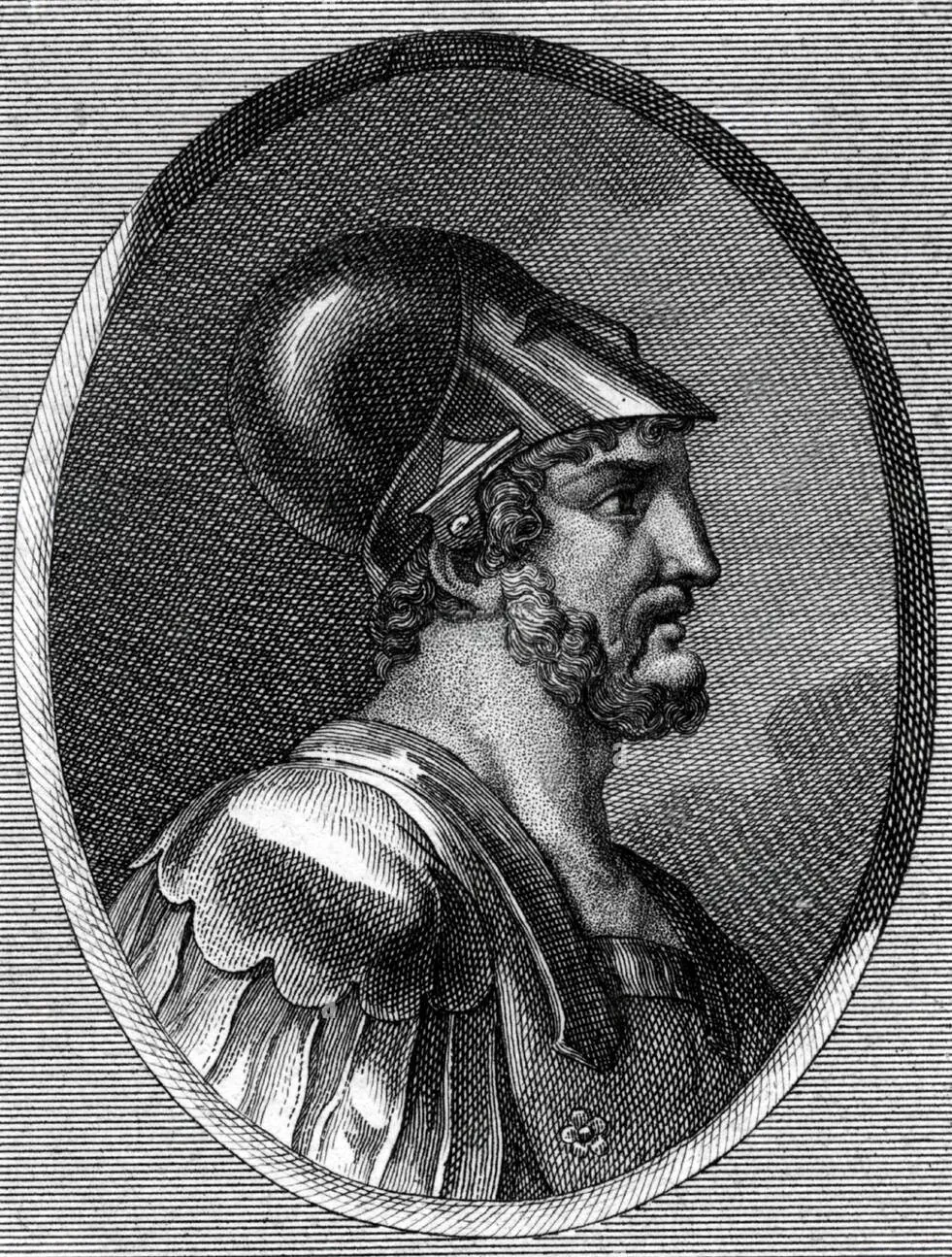
Leonidas I
The Agiad king killed at Thermopylae in 480 BCE, remembered through a much larger Greek coalition and a long tradition of commemoration.
3 min read · Reigned c. 490–480 BCE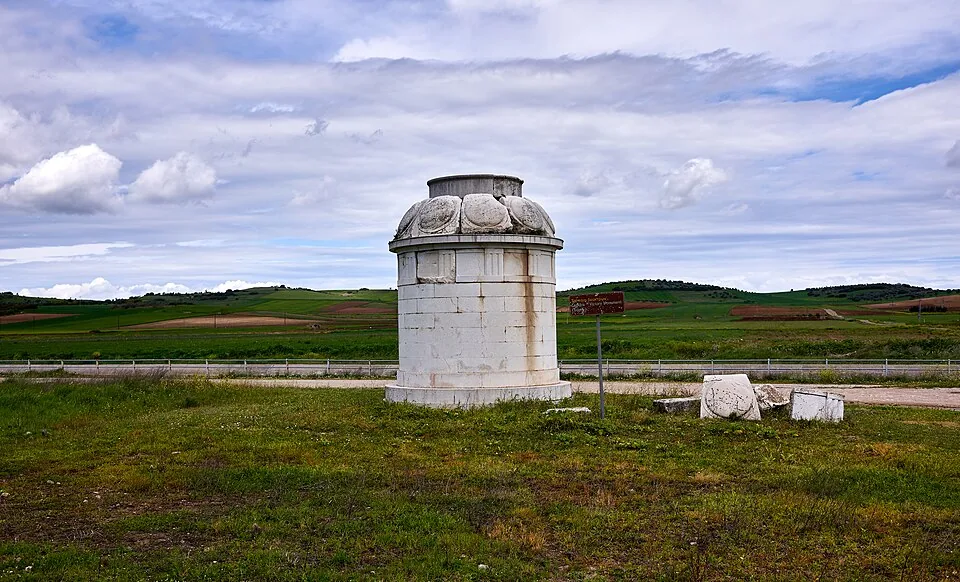
Leuctra
The Theban victory of 371 BCE that killed a Spartan king and opened the way to a fundamental change in the balance of Greek power.
3 min read · 371 BCE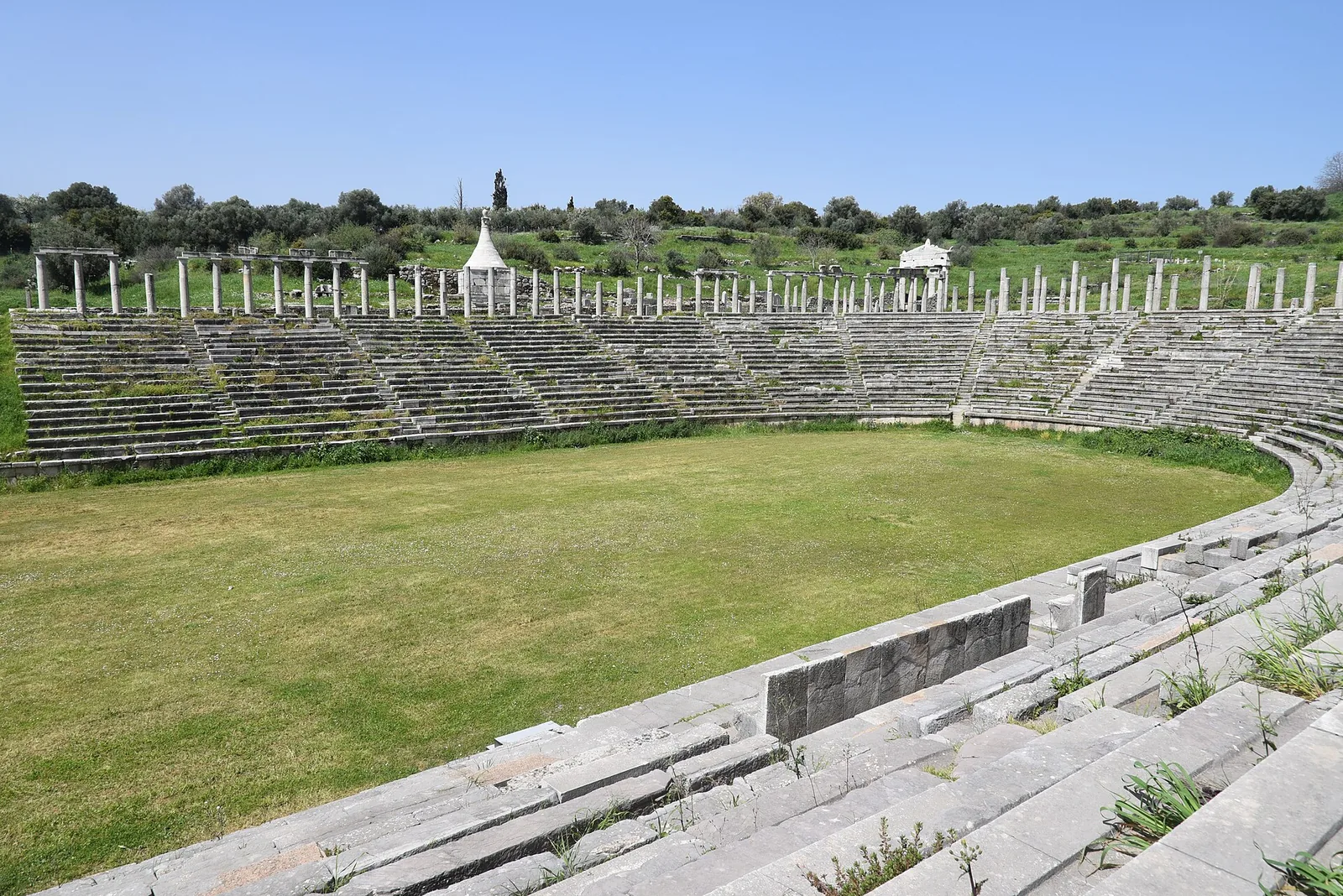
Liberation of Messenia
The end of Spartan domination in the 370s BCE and the foundation of fortified Messene created a durable new political order in the Peloponnese.
3 min read · 370–369 BCE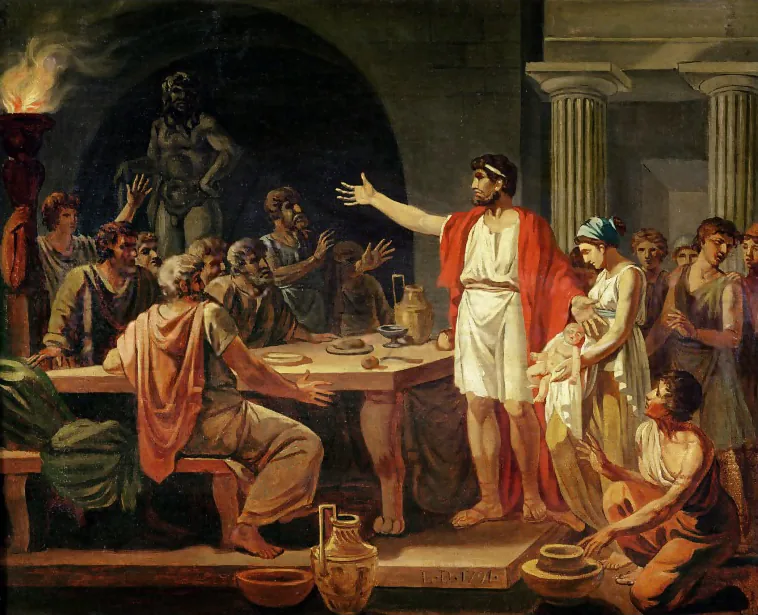
Lycurgus
Sparta's remembered lawgiver, whose uncertain biography became the organizing story of an entire constitution.
3 min read · Legendary Archaic past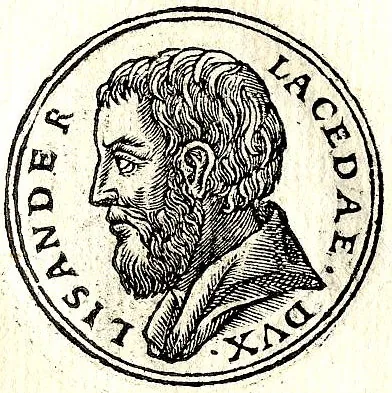
Lysander
The naval commander who helped defeat Athens and built a controversial network of Spartan influence across the Aegean.
3 min read · Active late fifth century–395 BCE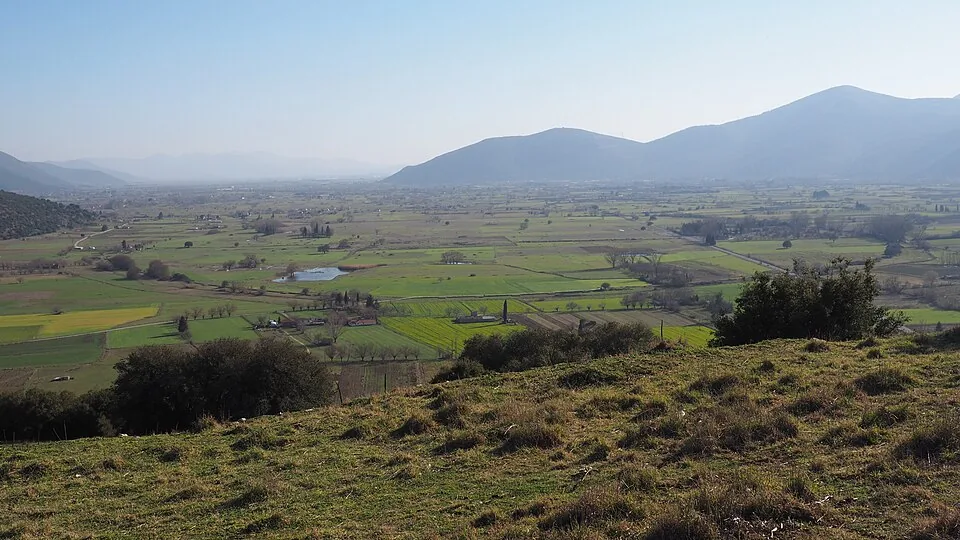
Mantinea, 418 BCE
A major Spartan victory in Arcadia that restored prestige while revealing the practical limits of battlefield command.
3 min read · 418 BCE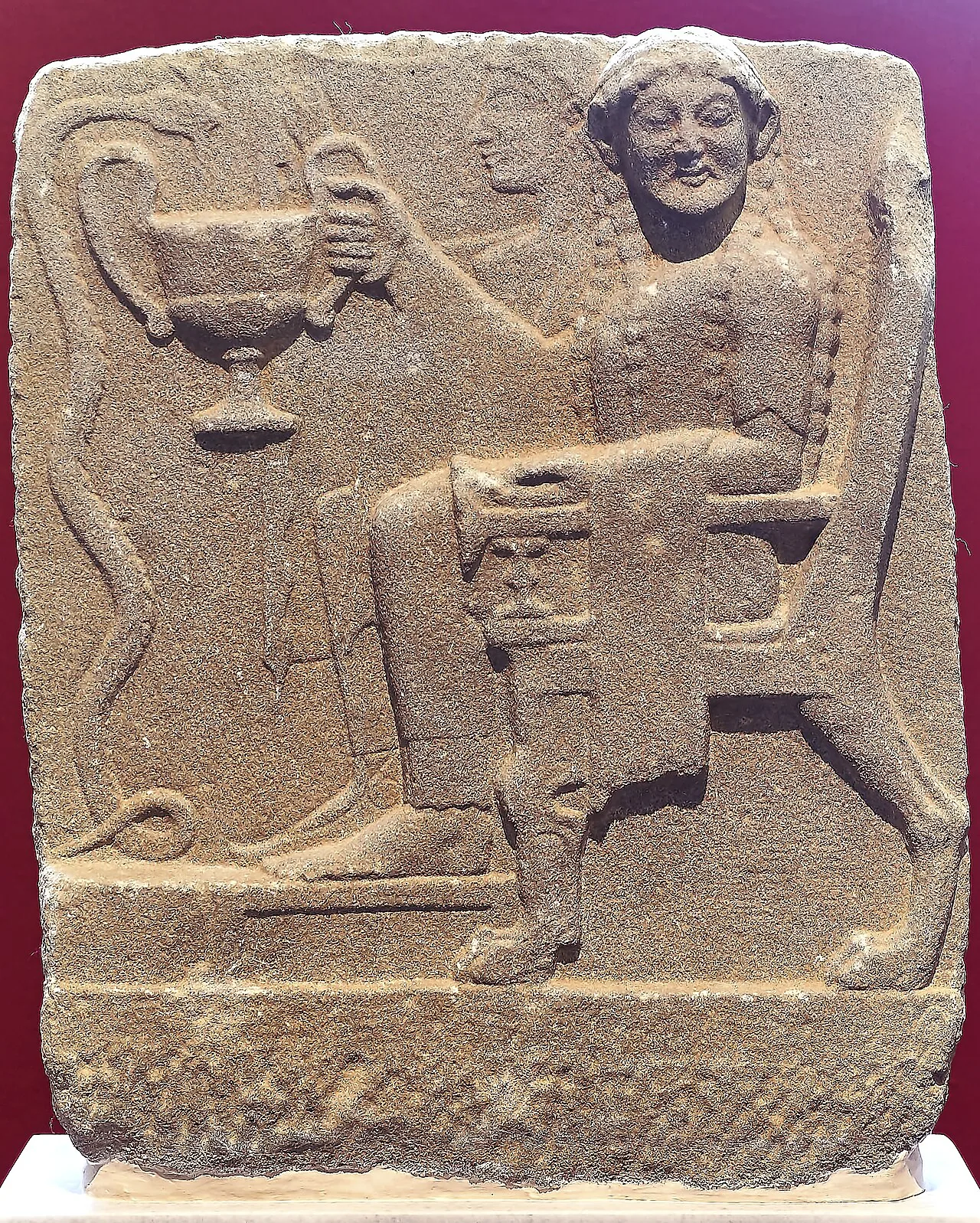
Marriage and family
Household continuity, inheritance, and the production of future citizens within a society that placed strong public claims on private life.
3 min read · Archaic and ClassicalMenelaion: Helen’s sanctuary above Sparta
Above the Eurotas valley, a sanctuary joined Helen and Menelaus to the landscape of Sparta. Its ruins offer evidence of ancient worship, while the stories attached to them reveal how Spartans imagined beauty, royal ancestry, and the relationship between their city and the heroic past.
4 min read · Bronze Age remains; Archaic to Roman worship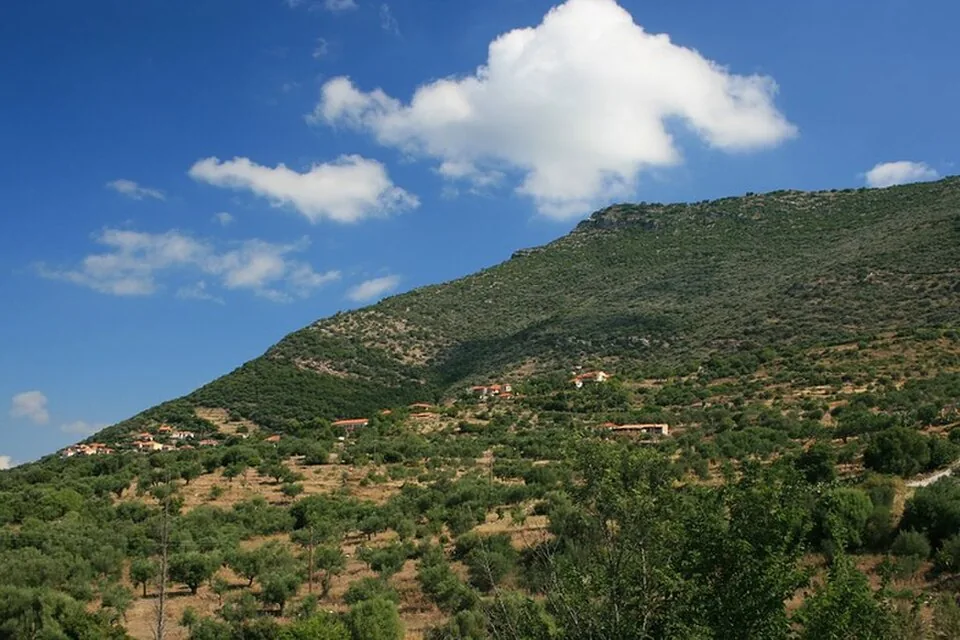
Messenia
The western land whose conquest, exploitation, and eventual independence reshaped the possibilities of Spartan power.
3 min read · Archaic to Hellenistic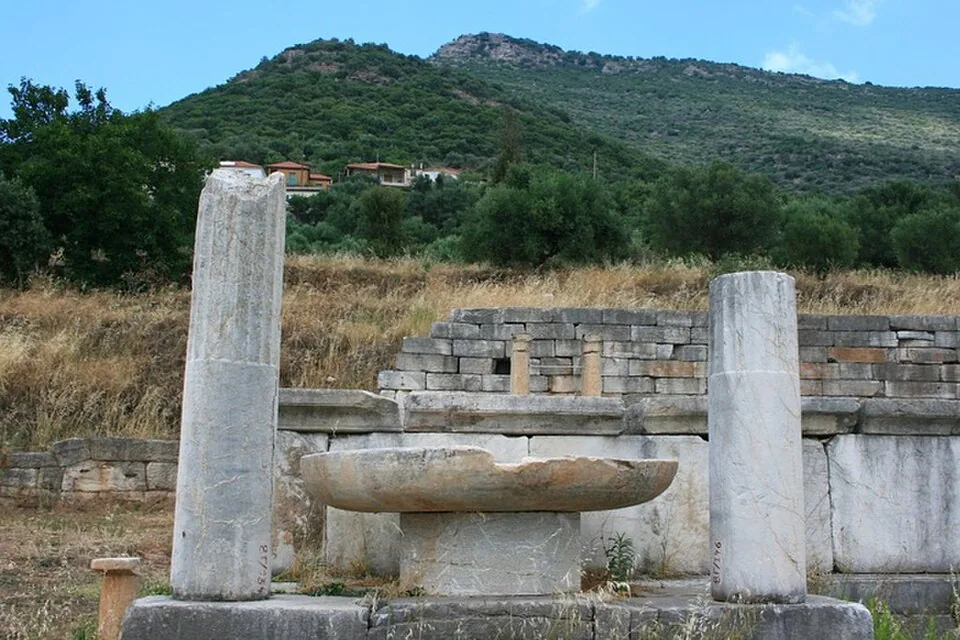
Messenian Wars
The uncertain sequence of early conflicts through which Sparta established and defended domination over Messenia.
3 min read · Conventionally late eighth–seventh century BCE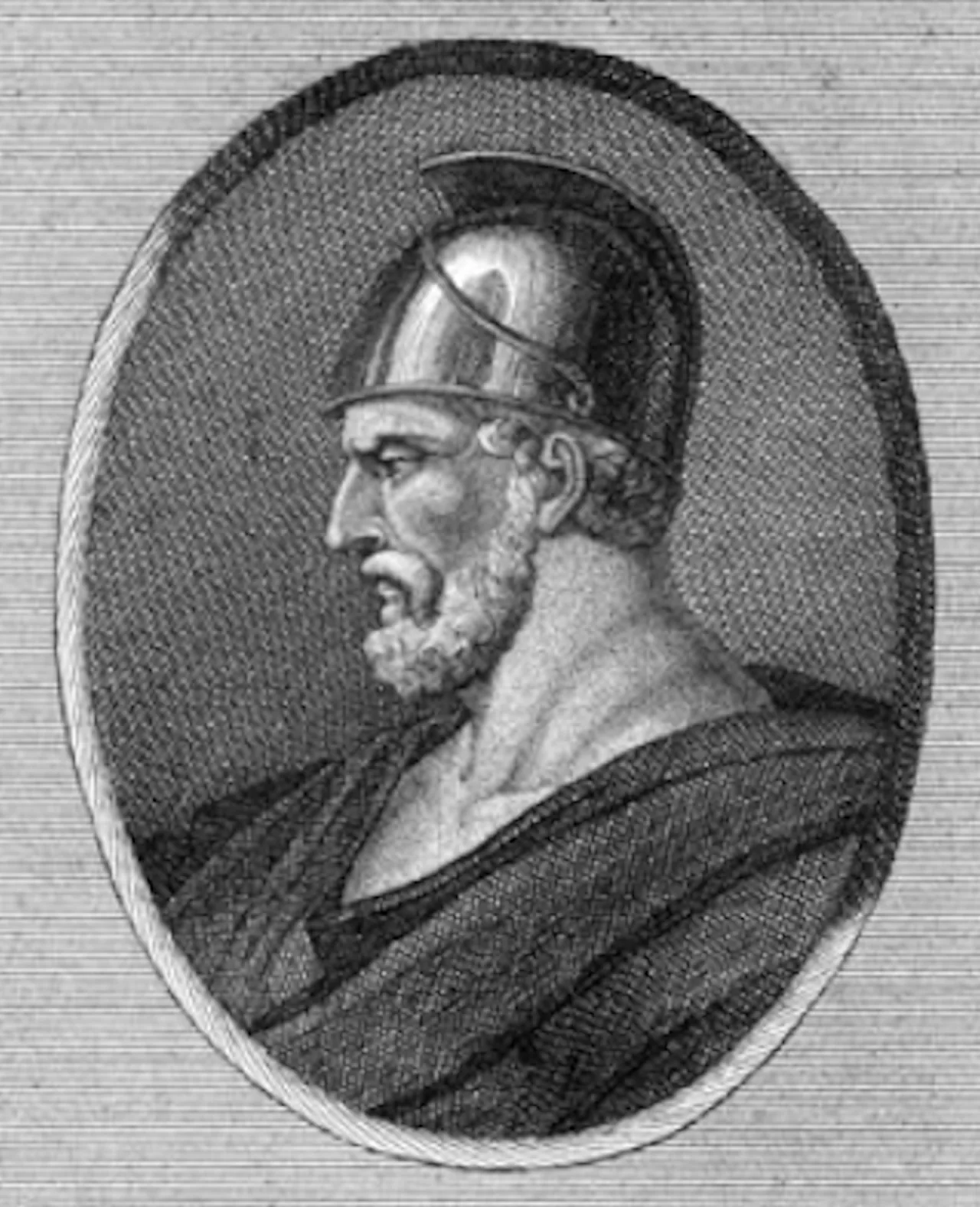
Pausanias the regent
The commander at Plataea whose subsequent career exposed the tensions between Spartan authority, overseas leadership, and accusations of betrayal.
3 min read · Active 480s–c. 470 BCE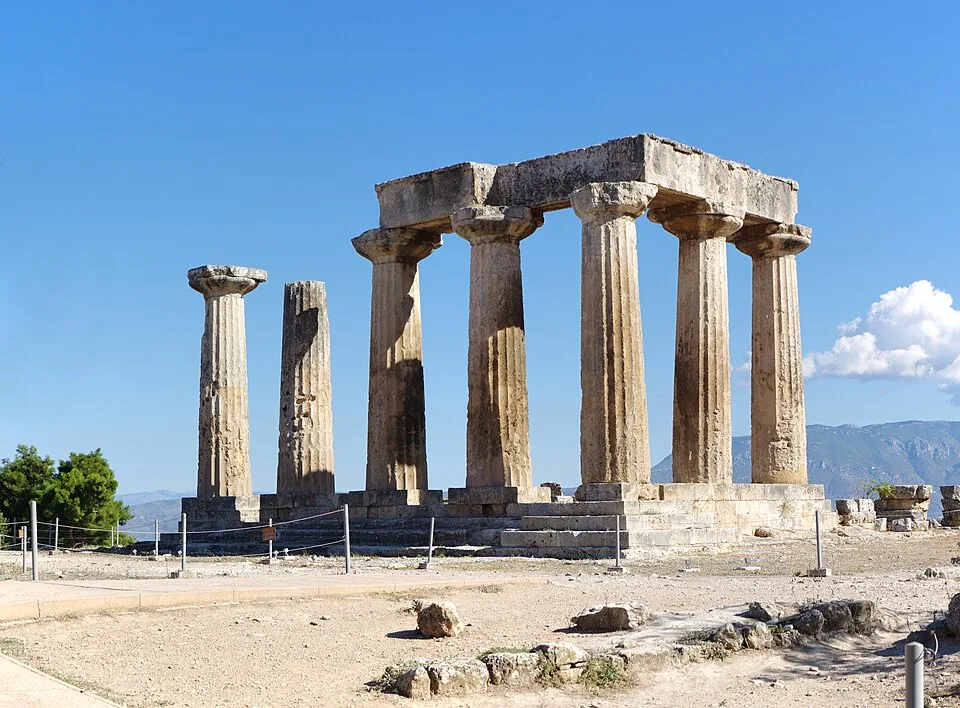
Peloponnesian League
A developing network of alliances under Spartan leadership, held together by treaties, common interests, negotiation, and unequal power.
3 min read · Sixth–fourth century BCE
Peloponnesian War
The prolonged conflict of 431–404 BCE in which Sparta and its allies defeated Athens, transforming the political and social landscape of Greece.
3 min read · 431–404 BCE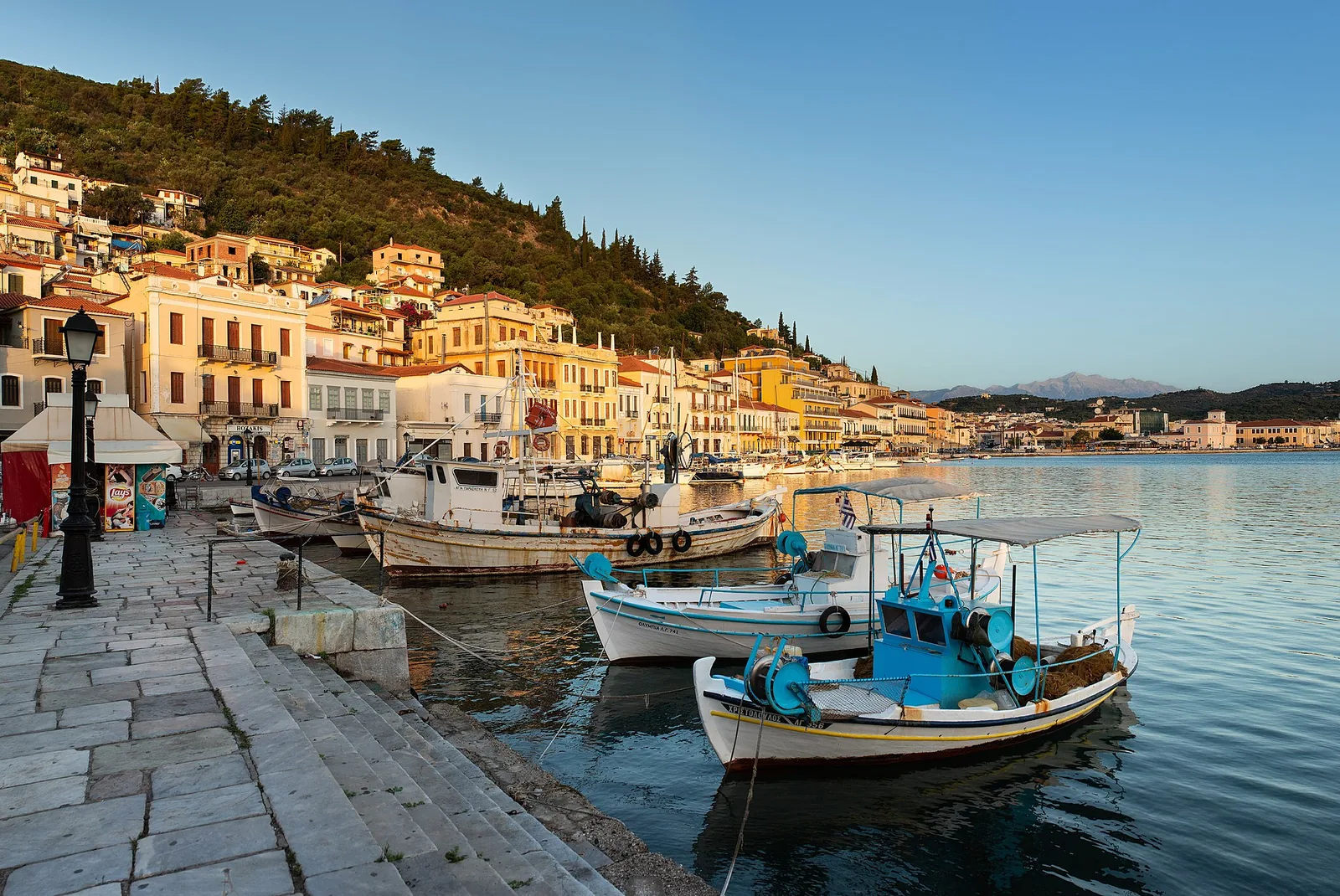
Perioikoi
The free communities around Sparta that supplied soldiers, sustained local economies, and maintained identities beyond the citizen center.
3 min read · Archaic to Hellenistic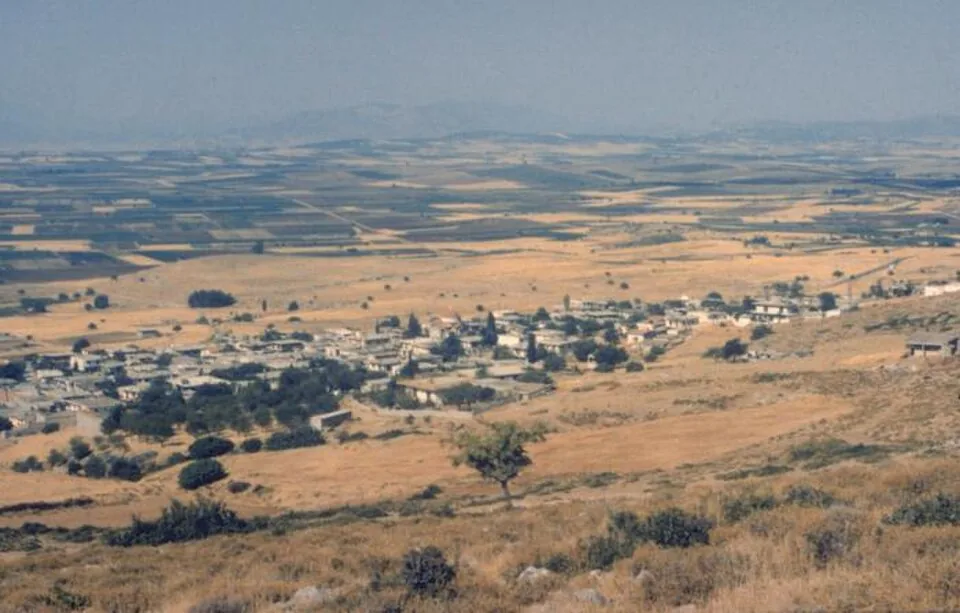
Plataea
The coalition victory of 479 BCE that broke the main Persian land army in Greece, achieved through a difficult and uncertain campaign.
3 min read · 479 BCE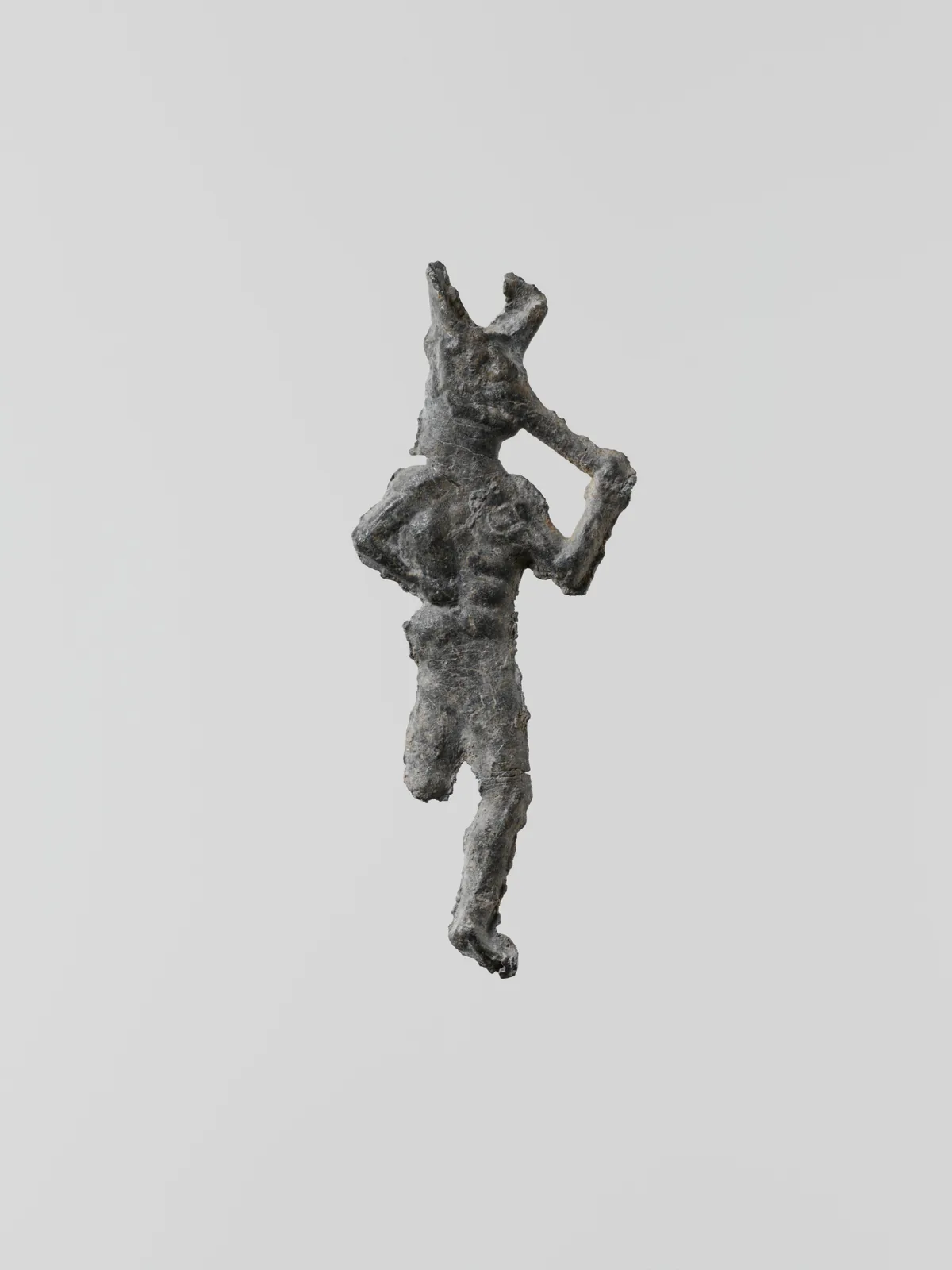
Poetry and music
War elegy, maiden songs, choral festivals, and musical performance reveal a Spartan public culture far richer than its reputation for silence.
3 min read · Archaic and Classical
Pylos and Sphacteria
The Athenian operation of 425 BCE that captured a Lacedaemonian force and created a persistent threat within Spartan-controlled Messenia.
3 min read · 425 BCE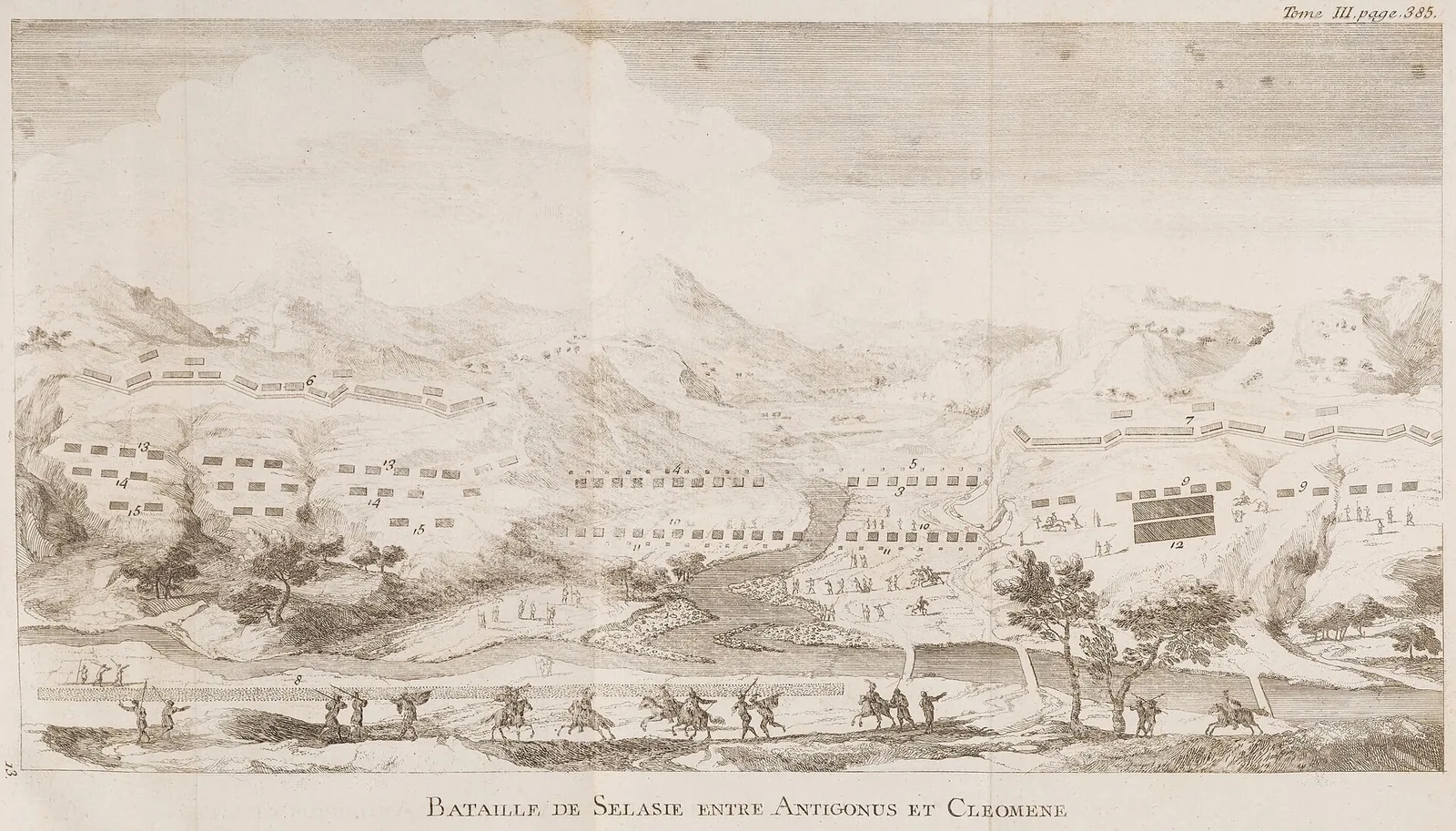
Sellasia
The defeat of Cleomenes III in 222 BCE ended a major attempt at Spartan renewal and brought a Macedonian-led army into the city.
3 min read · 222 BCESparta
The city at the heart of a powerful state: its landscape, communities, institutions, and changing place in the Greek world.
3 min read · Archaic to Roman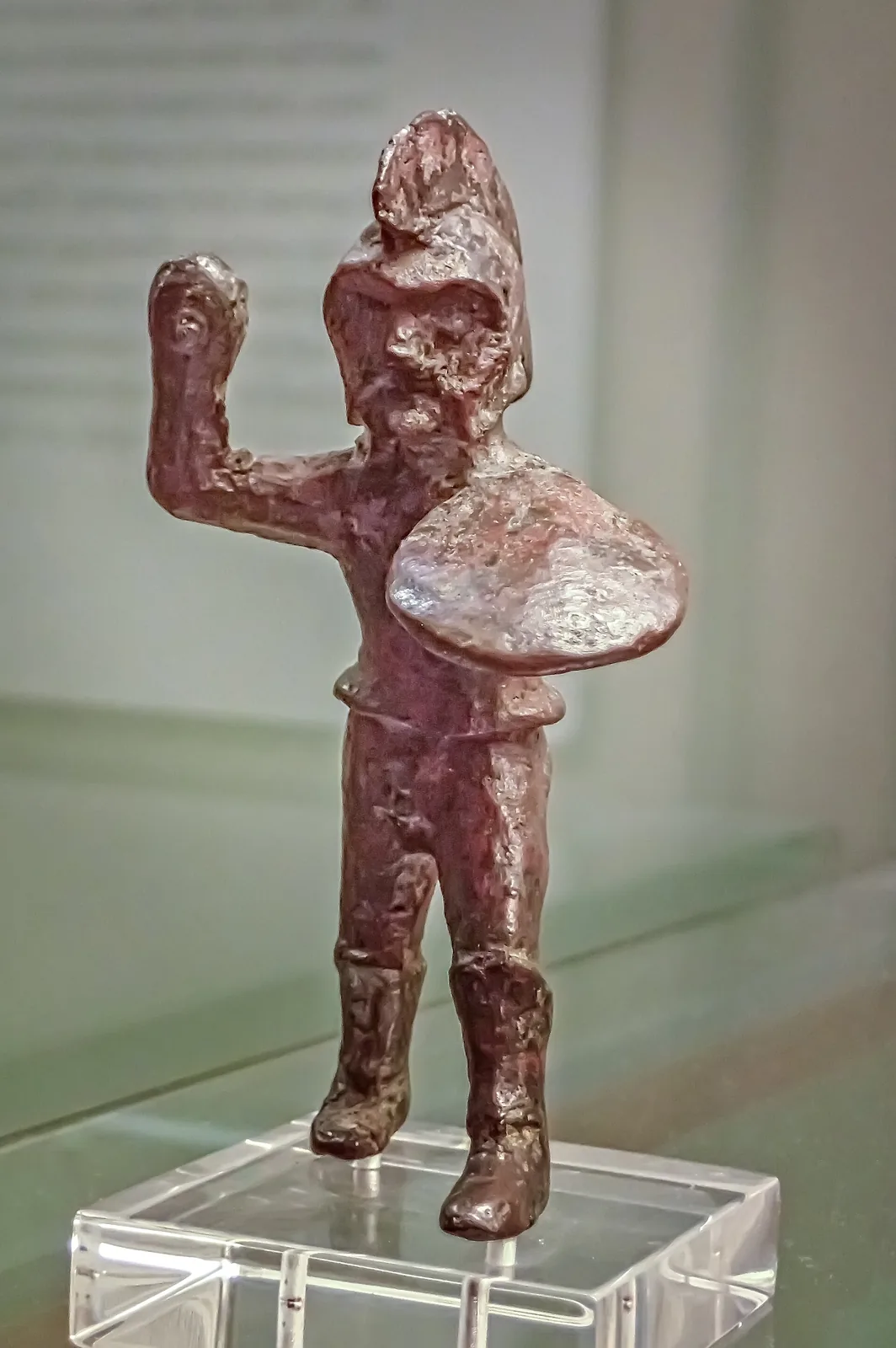
Spartiates
The privileged citizen group whose shared obligations rested on unequal access to land, labor, status, and political power.
3 min read · Archaic and Classical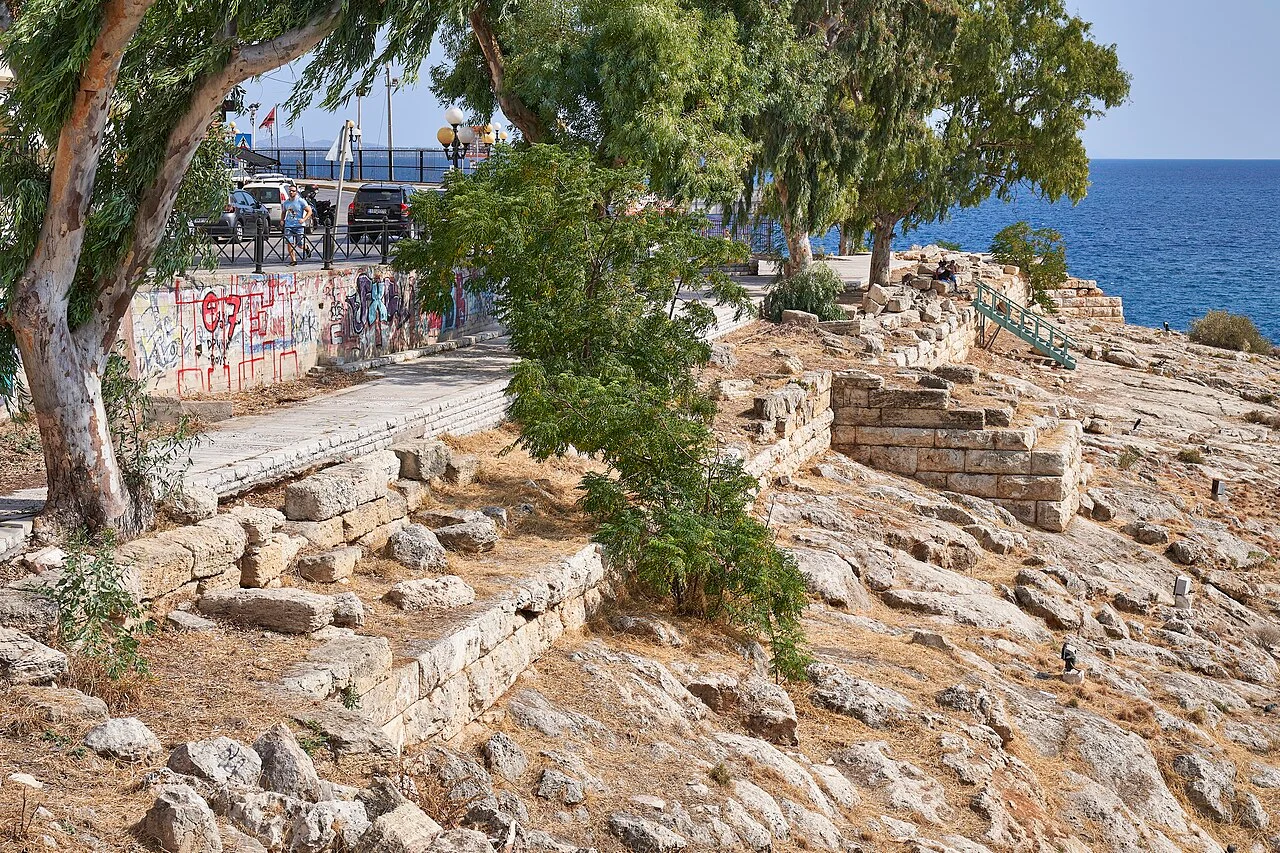
Sphodrias’s raid: the surprise attack that failed before dawn
A Spartan commander set out to seize Athens’s harbor before daylight. He never reached it. Yet the failed march and the decision to acquit him helped deepen a political crisis. Sphodrias’s raid shows how an operation that achieved little on the ground could still damage Sparta’s position.
4 min read · Conventionally 378 BCE, after the winter of 379/378 BCE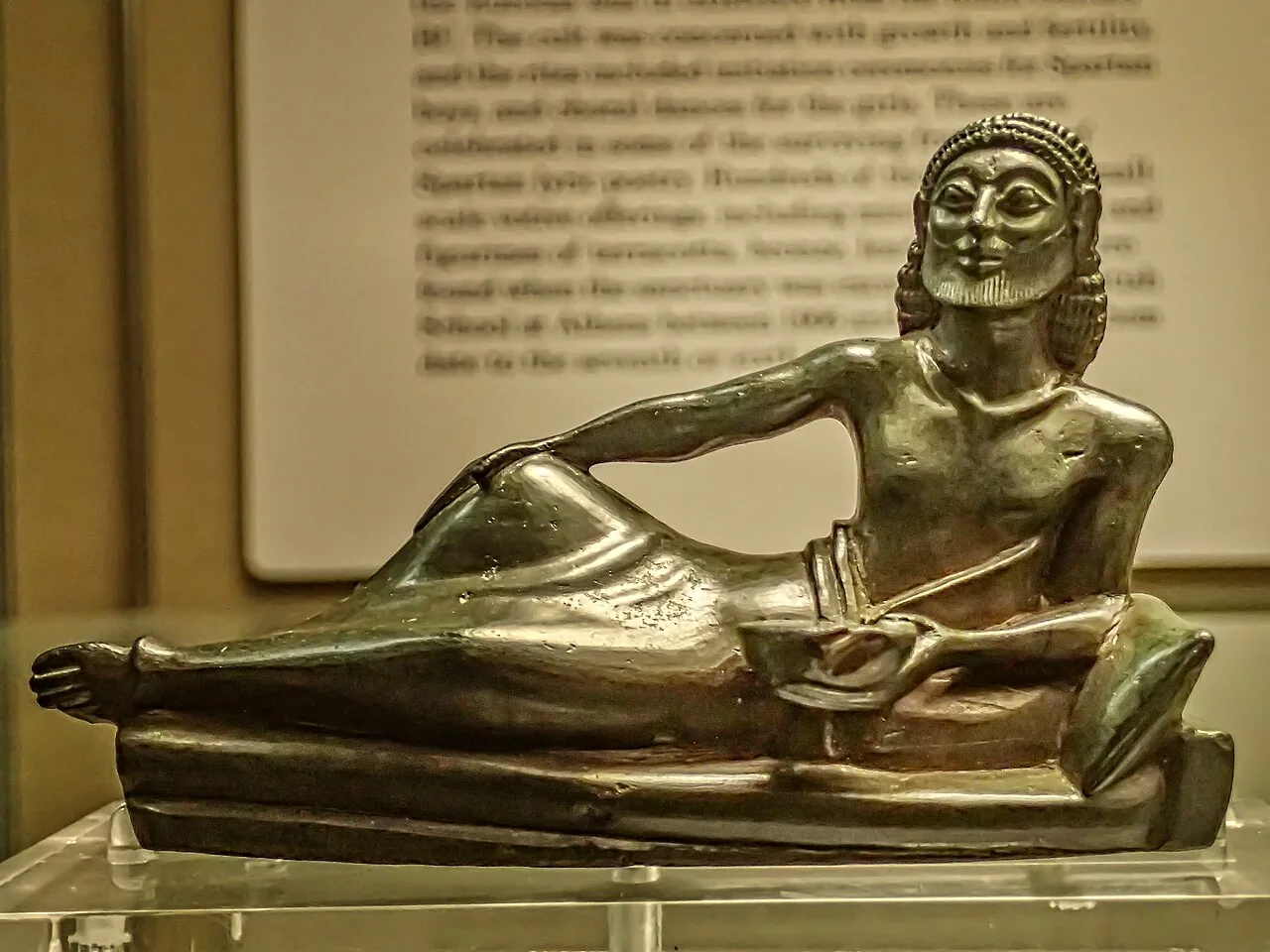
Syssitia
The common dining groups that joined civic belonging to daily sociability—and made the ability to contribute a condition of full participation.
3 min read · Archaic to Hellenistic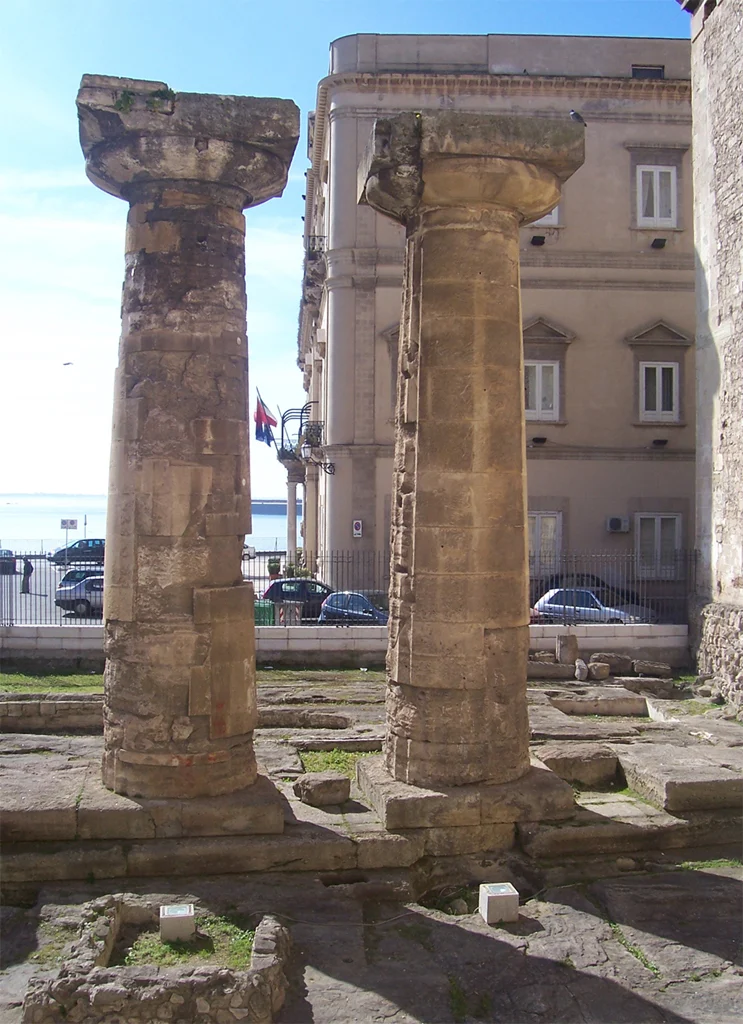
Taras: the Spartan colony that became Taranto
On the coast of southern Italy, Taras carried a Spartan foundation story into a very different setting. Its traditions feature disputed citizenship, a frustrated conspiracy, and migration. The later city developed its own political life, showing how a community could remember Spartan origins without remaining a copy of Sparta.
4 min read · Traditional foundation 706 BCE; Archaic and Classical developments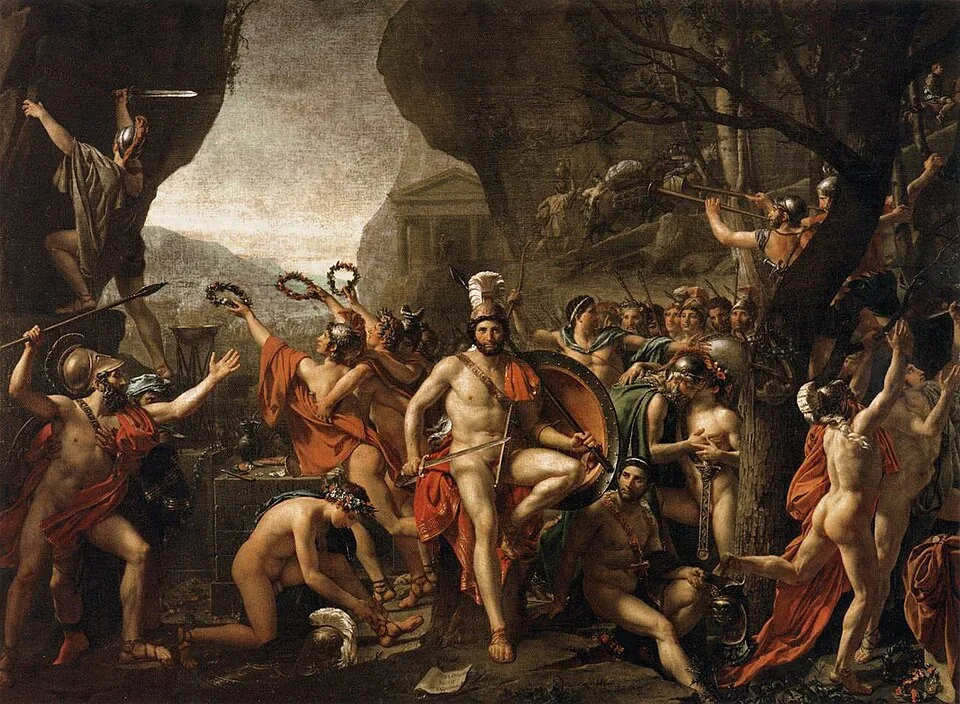
The Spartan mirage and modern legacy
The changing image of Sparta as an ideal, a warning, and a cultural symbol—and how to read beyond it.
3 min read · Antiquity to the present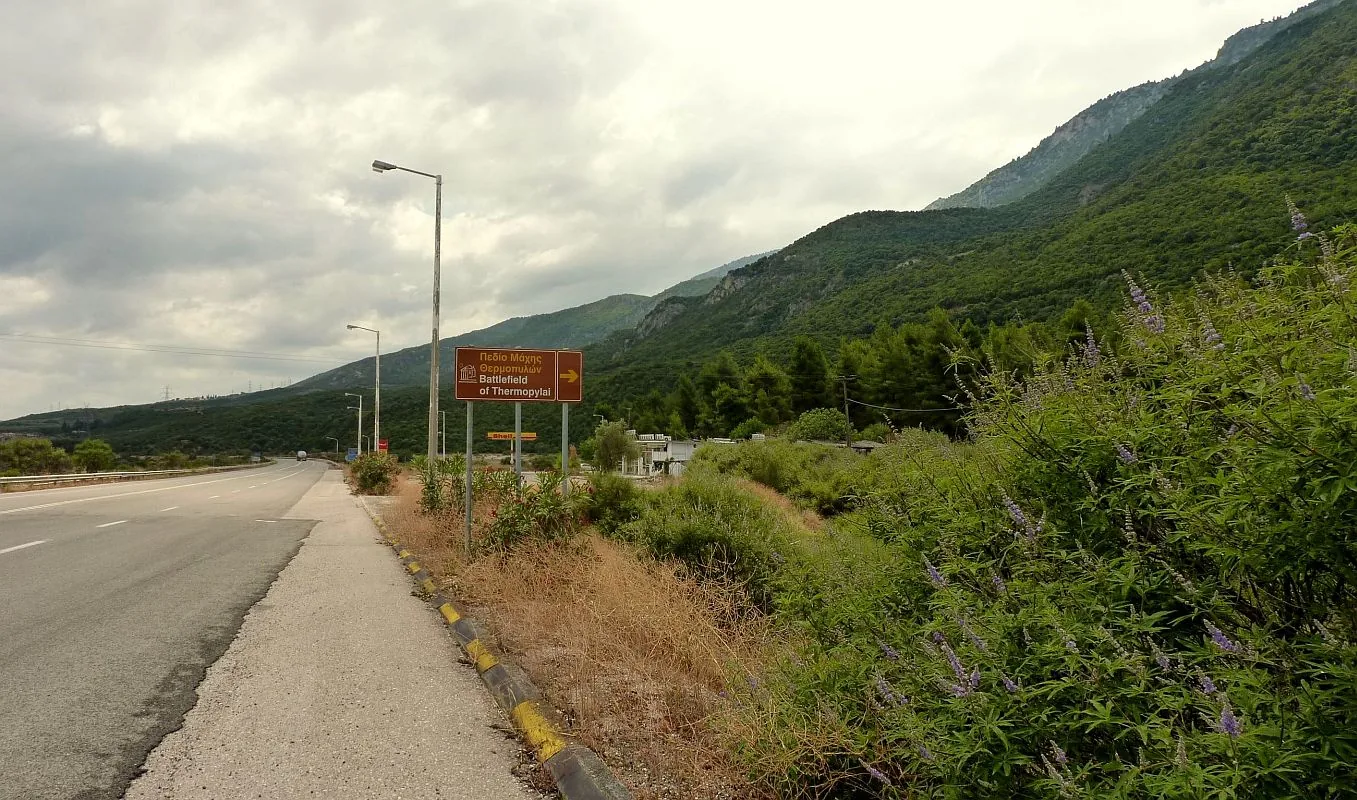
Thermopylae
A Greek coalition's defense of a narrow pass in 480 BCE, remembered for endurance but ending in a Persian victory.
3 min read · 480 BCE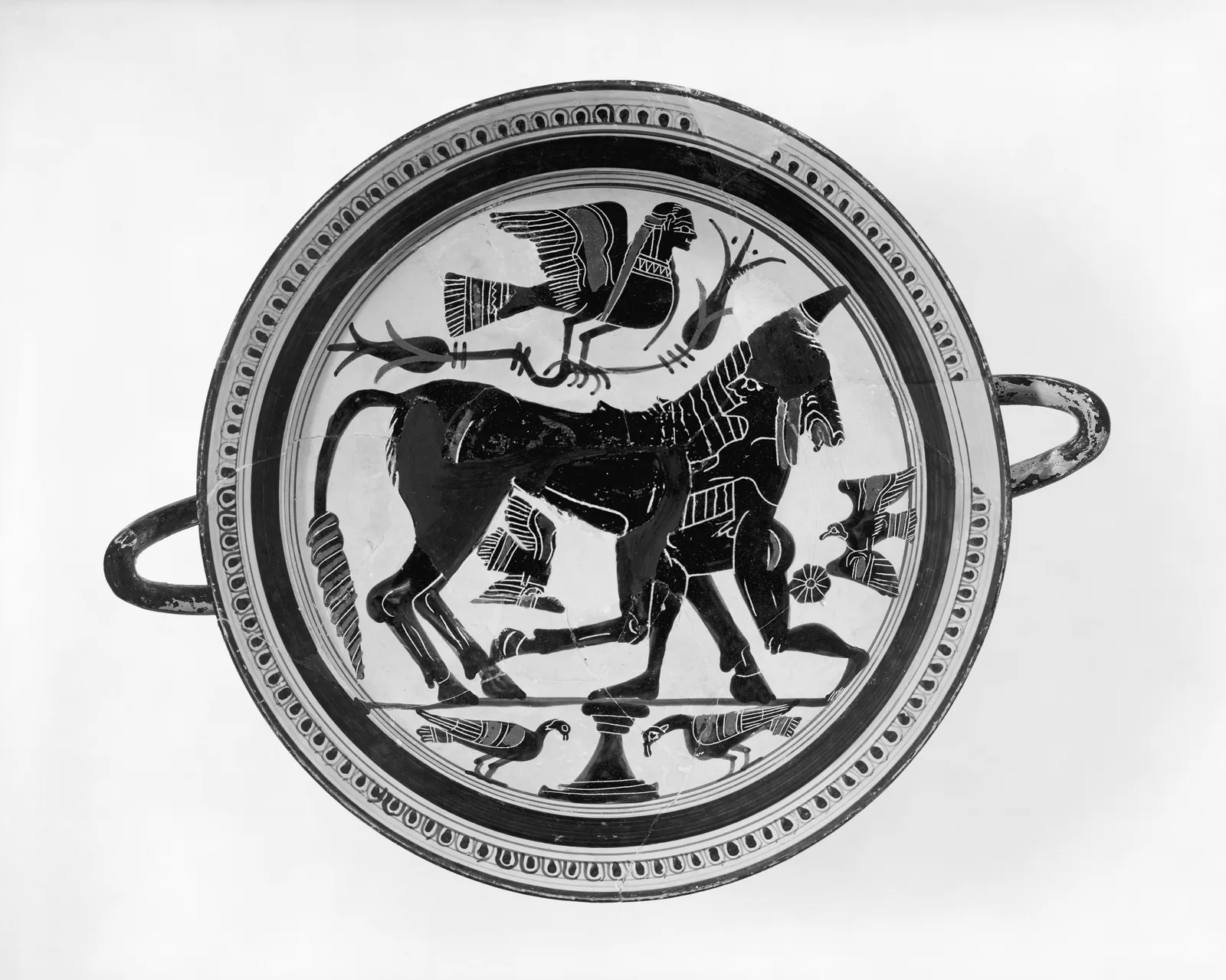
Trade and currency
The tension between ideals of restraint and the practical movement of goods, wealth, and money through the Spartan world.
3 min read · Archaic to Hellenistic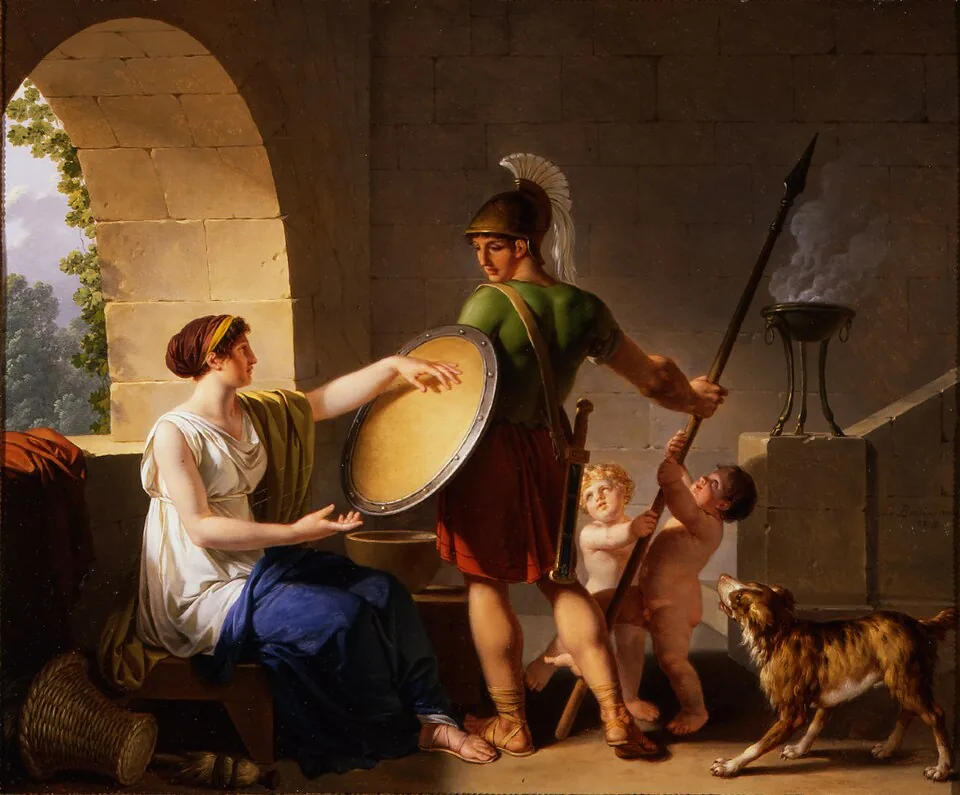
Women
Property, education, religion, and family life looked very different for citizen women and for the women whose labor supported them.
3 min read · Archaic to HellenisticWATCH & DISCOVER · ARCHAEOLOGY
Sparta beneath the surface.
Join John Wilkes and Susan Walker for the British School at Athens lecture on Sparta’s Roman stoa and theatre.
Watch at the British School at AthensVideo plays through YouTube. The source page is available if playback is unavailable.
A LETTER FROM SPARTA
Another story, every week.
A short illustrated letter, with a new history to explore. Free to read.
Confirm your subscription by email. Unsubscribe any time. Manage your subscription · Privacy · Powered by Buttondown.
MOVE THROUGH TIME
History has a trajectory.
Explore the moments that changed Sparta.
EXPLORE THE ATLAS
Put the stories in place.
Twelve locations. A wider perspective.