On this page
The invasion after Salamis
After the Persian naval defeat at Salamis in 480 BCE, Xerxes returned to Asia while Mardonius remained with a substantial army. The conflict therefore continued into the following year. Athens again faced occupation and sought a decisive response from its Peloponnesian allies. A Greek coalition eventually assembled under Pausanias, the Spartan regent for the young king Pleistarchus. The army moved into Boeotia, where Persian forces could use more open ground.
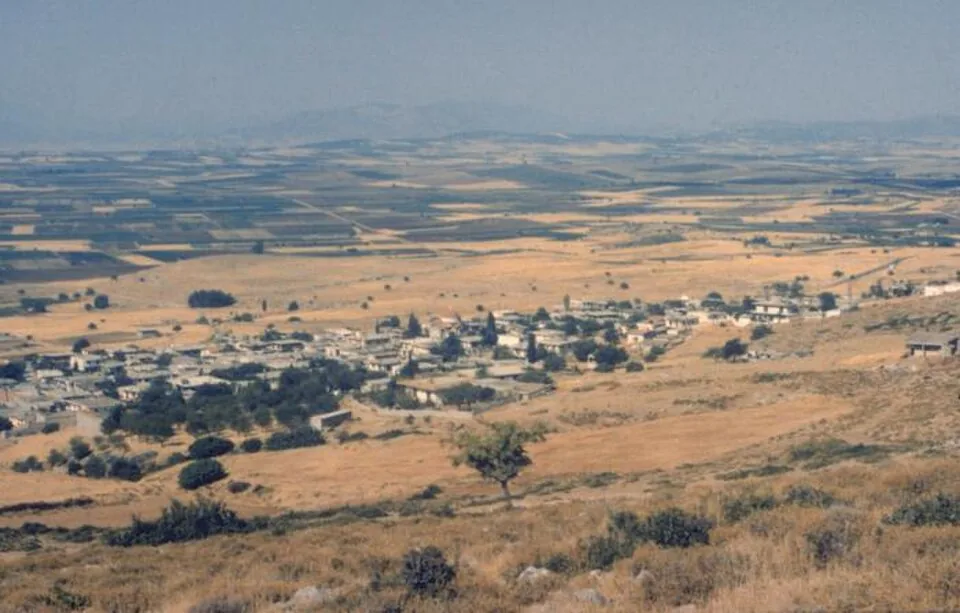
The region around Plataea offered a difficult combination of plains, streams, foothills, and routes across Mount Cithaeron. Persian cavalry made movement and supply hazardous for the Greeks. Pausanias could not simply seek an immediate confrontation on any available terrain. The campaign became a contest over positions, access to water, and the ability to keep a diverse coalition supplied. Herodotus' narrative presents a sequence of adjustments rather than one perfectly executed plan.[1][3]
A coalition with unequal visibility
Spartan and Tegean hoplites played a major role, while the Athenians formed another important part of the line. Many other Greek communities contributed contingents. Herodotus also records large numbers of lightly equipped attendants, including helots accompanying the Spartans. His totals are debated, but their presence should not disappear from the story. The campaign depended on subordinated labor and noncitizen participation as well as on the full citizens celebrated in later accounts.
The opposing army also included Greeks, notably forces from communities aligned with Persia. Plataea was therefore not a battle in which every Greek fought on one side and every non-Greek on the other. Local rivalries, coercion, calculations of survival, and imperial commitments shaped allegiance. This complexity matters when reading the victory as a defense of Greek freedom: the phrase described the aims of one coalition rather than a unanimous political position shared throughout the Greek world.[1]
Movement, confusion, and battle
Persian cavalry attacks disrupted Greek access to supplies and water. The Greeks attempted a night movement to a more suitable position, but the withdrawal did not proceed uniformly. Different contingents moved at different times, and Herodotus includes disputes within the Spartan force over whether retreat was acceptable. Mardonius interpreted the movement as an opportunity and advanced. What followed was a battle shaped by the confusion of repositioning, not a simple clash between two stationary lines.
The Spartans and Tegeans fought Mardonius' forces, while the Athenians engaged Greek opponents elsewhere. Herodotus emphasizes Persian courage but describes disadvantages in the equipment used during close fighting. Mardonius was killed, and the Persian position collapsed. Fighting continued around the fortified camp, where many were killed. The exact movements and casualty figures remain subjects of reconstruction because the literary account does not supply the precision of a modern operational map.[1]
Victory and the politics of memory
Plataea destroyed the main Persian field army remaining in Greece and helped secure the survival of the resisting coalition. Operations associated with Mycale on the eastern Aegean coast belong to the same broader turning point, though ancient claims of simultaneous victories should be treated cautiously. The struggle with Persia continued in other forms. A decisive campaign outcome did not end diplomacy, warfare, or competition among Greeks over how to organize the next stage.
The victory generated dedications, commemorations, and disputes about credit. Pausanias' subsequent career complicated the memory of the commander, while the city of Plataea later suffered destruction during the Peloponnesian War. Thucydides' account of that later catastrophe shows how appeals to past service could fail against present political interests. Remembering both events keeps the battle from becoming a detached triumphal scene. Plataea was a coalition achievement whose meanings were repeatedly contested by the very communities that claimed its legacy.[1][2]
FOLLOW THE EVIDENCE
References & further reading
- Ancient textHerodotus, Histories 9.1–89 ↗
A. D. Godley translation, public domain. The principal surviving narrative of the campaign and battle of Plataea.
- Ancient textThucydides, History of the Peloponnesian War ↗
Richard Crawley translation, public domain. A contemporary source for the late fifth-century BCE conflict, with retrospective accounts of earlier events.
- Modern scholarshipLivius: Plataea, 479 BCE ↗
Historical overview of the campaign and battlefield setting in Boeotia.